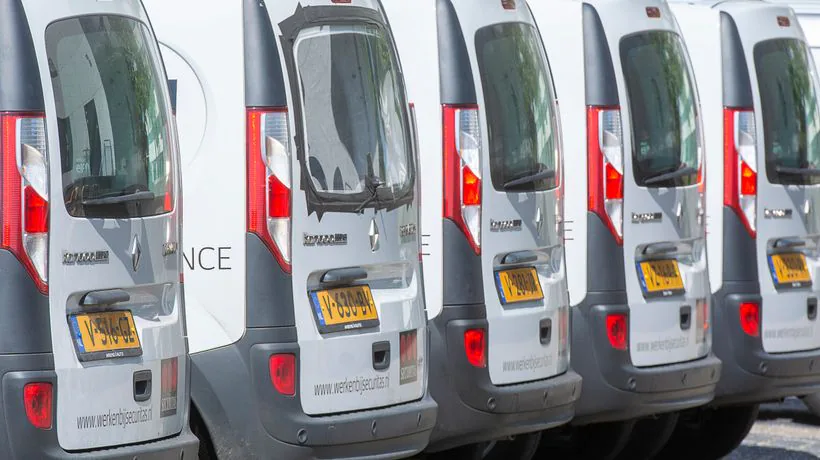

The surest way to avoid end of lease charges on a company car is to return it clean, complete and inspected by you first. Leasing companies assess returned cars against fair wear and tear, which the BVRLA describes as deterioration caused by normal use, as opposed to damage from a specific event. Dirt is not damage, but a grubby car invites cleaning charges and makes every mark harder to judge. A planned clean a few weeks out, followed by your own daylight check, puts you in control of the outcome.
What does fair wear and tear actually mean at lease return?
The BVRLA, the trade body for vehicle rental and leasing, publishes fair wear and tear guides for cars, light commercial vehicles and larger commercial vehicles. Its stated aims are to help drivers avoid end-of-contract charges and to set an industry standard for how vehicles should be returned.
The key distinction is simple:
- Fair wear and tear: gradual deterioration from normal use, such as light wear on a driver's seat bolster.
- Damage: the result of a specific event or series of events, such as a kerbed alloy, a dent from a car park, or a tear from carrying something sharp.
Your leasing company should have sent you the full guide, and its own contract may add requirements. Read both before you start, because they set the standard you will be measured against.
When should you start preparing the car?
Leave yourself four to six weeks. A rushed clean the night before collection leaves no time to deal with anything it uncovers.
- Six weeks out: read the guide, find the service record and check you have both keys.
- Four weeks out: have the car fully valeted inside and out.
- The same week: walk round the clean car in daylight and note every mark.
- Two to three weeks out: decide what, if anything, to repair, and book it.
- Collection day: remove personal items, give the interior a quick vacuum and wipe, and keep your own photos.
Why does a valet matter before the inspection?
A clean car helps you in three ways. It removes the cleaning charges some leasing companies apply for heavily soiled interiors, pet hair or smells. It shows the car honestly, so marks that are within the standard are judged as such rather than lumped in with grime. And it lets you see the car properly before anyone else does.
For a lease return we focus on the areas inspectors look at closely: seat fabric and leather, carpets and boot floor, headlining, door cards, glass, wheels and the paint around door handles and bumpers. A full interior and exterior valet starts from £80, and our checklist of what a full car valet includes shows the detail. We come to the car at home or work, with our own water and power.
How do you check the car yourself after cleaning?
The BVRLA's Return Ready tool lets drivers compare specific damage with the car standard, and its guidance is worth copying for your own check: use good daylight, and wipe the panel clean before photographing it. The tool is a companion to the full guide, not an official verdict and not a whole-vehicle assessment.
Work round the car in a fixed order so nothing is missed:
- each panel from a low angle to show dents and scratches
- bumper corners and the lip under the front bumper
- wheels and tyres, including tread and sidewalls
- glass for chips in the driver's line of sight
- seats, carpets, boot floor, headlining and parcel shelf
Photograph everything, with the date, and keep the pictures until the lease is settled.
Is it worth repairing damage before handing the car back?
Sometimes. Small things that fall outside the standard can cost more on a damage invoice than a local repair, but that varies by leasing company and by the damage itself. Get a quote from a repairer, compare it with what your lease paperwork says about charges, and decide. Do not try to hide damage with touch-up paint or polish that leaves an obvious patch, because a poor repair can be marked down too.
Paint correction can improve light swirl marks and haze on the paint; our premium detailing, covering paint correction and protection, starts from £150. It will not fix dents, deep scratches through to primer or kerbed wheels.
What else must be returned with the car?
Missing items are among the easiest charges to avoid. Before collection, gather:
- all keys and key cards supplied with the car
- the locking wheel nut adaptor
- the service record, digital or paper, showing services were done on time
- charging cables for electric and plug-in hybrid cars
- the parcel shelf, load cover, floor mats and any spare wheel or repair kit
- the owner's manual and wallet
If you are selling a car rather than returning it, the priorities differ; our guide to getting a car ready to sell covers that.
Sources
Returning a lease or company car?
EMobile Valeting brings professional, fully insured mobile valeting to your door across Derby, Nottingham and the East Midlands. No call-out fee.
Book a Return Valet Get a Free Quote