
To get a car ready to sell, work through four stages: gather the paperwork, fix the small things a buyer will notice, clean the car thoroughly inside and out, and then photograph and list it. Do them in that order so the photos show the finished car. Allow a week or two if you can, so there is time to order a part or book a valet. This checklist covers each stage, plus the steps on the day you hand over the keys. It is aimed at private sales, though most of it helps with part exchange too.
Step 1: what paperwork should you gather?
- V5C log book in your name with the correct address.
- Service history: stamped book or digital record, plus invoices for work done.
- MOT history. The GOV.UK MOT history service shows past test results, the mileage recorded at each test and when the next MOT is due. Buyers will check it, so check it yourself first and be ready to explain any advisories.
- Receipts for tyres, brakes, timing belt or battery.
- Both keys, locking wheel nut key and handbook. Missing items are an easy reason to haggle.
Autotrader notes that a detailed picture of a car's history on paper makes it look more valuable and attractive to a buyer.
Step 2: which small faults are worth fixing?
Fix things that are cheap and obvious, and disclose the rest honestly:
- Blown bulbs, split wiper blades and empty washer fluid.
- Warning lights on the dashboard. Get them diagnosed; an unexplained light worries buyers more than the repair would cost.
- Tyres close to the legal limit, or a tyre with a slow puncture.
- Cloudy headlights, which age a car in photos. Our guide to restoring cloudy headlights explains the options.
- Small stone chips, which a touch-up pen can tidy.
Leave bigger bodywork or mechanical jobs unless they are clearly worth it; price the car to reflect them instead.
Step 3: how should you clean the car before selling?
Autotrader's advice is that the very least you should do is make sure the car is clean and tidy inside and out, and it suggests a professional valet can be a sensible investment. Work through this list:
- Remove everything personal from the glovebox, door bins, boot, under seats and the spare wheel well.
- Take out air fresheners. Buyers want to smell a clean car, not a covered-up one.
- Vacuum thoroughly, including seat rails and the boot.
- Clean all glass inside and out and wipe every surface.
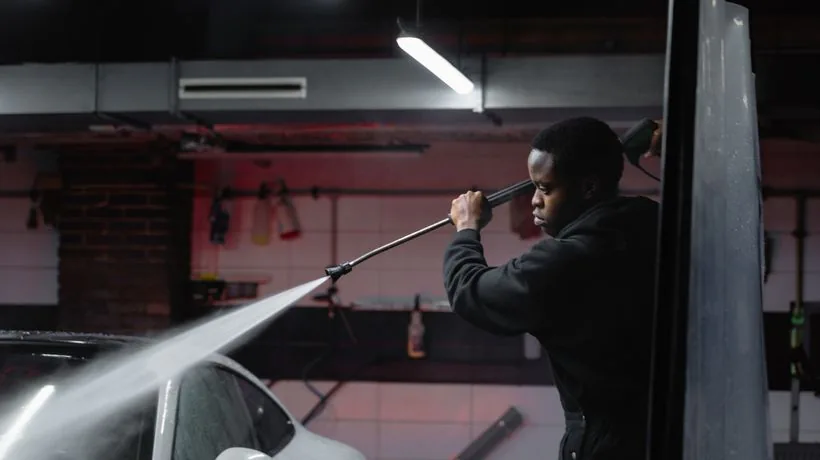
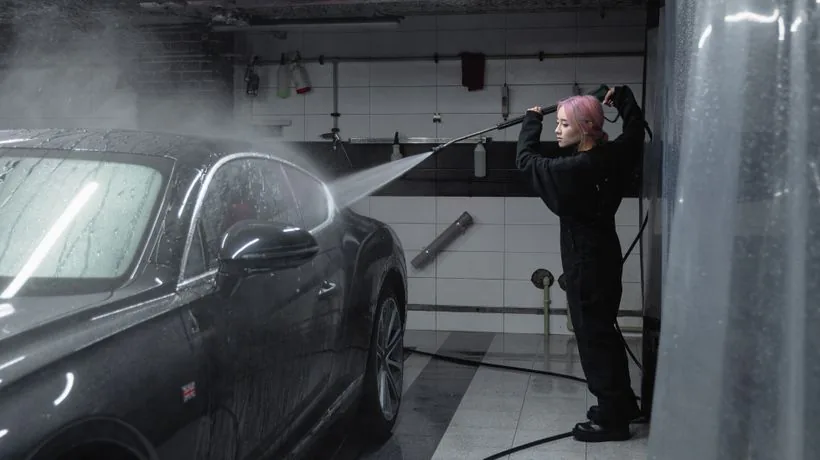
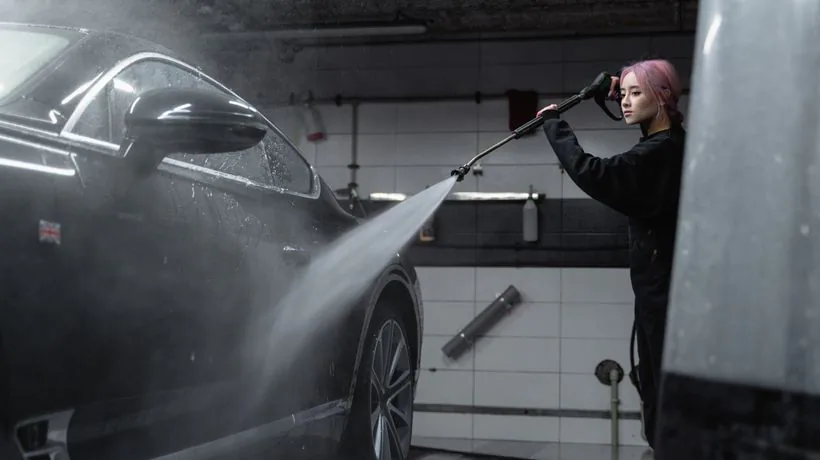
- Wash, dry and wax the paint, and clean wheels and tyres.
- Wipe the door shuts, which buyers see as soon as they open a door.
- Consider an engine bay clean if the bay is dusty, so it is easy for a buyer to inspect.
Our full valet from £80 covers steps 3 to 6 in one visit; see the car valeting service.
Step 4: how do you take photos that sell?
- Shoot the day of the valet, in daylight but out of harsh direct sun, against a plain background.
- Take the front three-quarter view first, then each side, rear, wheels, dashboard with the ignition on and no warning lights, front and rear seats, boot and odometer.
- Photograph any damage you are disclosing. It builds trust and saves wasted viewings.
- Clean the camera lens. Smeared phone lenses cause hazy photos.
For how much a clean car can affect the final price, see does valeting increase resale value.
Step 5: what should you do on viewing and sale day?
- Keep the car clean between viewings; a quick wash and vacuum is enough.
- Check the buyer's driving licence and insurance before a test drive, and go with them.
- Do not hand over the keys or V5C until the payment has cleared in your account.
- Write a simple receipt with both names, the date, time, mileage and price, signed by both of you.
- Remove any saved addresses, paired phones and app connections from the car's system.
Step 6: what must you do after the car is sold?
GOV.UK says you should tell DVLA online that you have sold the vehicle, which changes the registered keeper and means you send the V5C to the new keeper. Once you tell DVLA, your vehicle tax is cancelled and you get a refund for any full months remaining. The buyer must tax the car or declare it off the road before driving it, because tax does not transfer. Also cancel or transfer your insurance and any finance settlement, and keep a copy of your receipt.
Sources
- GOV.UK: Sold, bought or transferred a vehicle
- GOV.UK: Check the MOT history of a vehicle
- Autotrader: How should you prepare your car before selling it?
Selling your car soon?
EMobile Valeting brings professional, fully insured mobile valeting to your door across Derby, Nottingham and the East Midlands. No call-out fee.
Book a Pre-Sale Valet Get a Free Quote