Cloudy headlights restore by removing the oxidised top layer of the plastic lens and sealing it. Modern headlights are made of polycarbonate plastic with a protective coating, and over years of sun exposure that coating breaks down, leaving the surface hazy and yellow. Restoration cuts back the damaged layer to reveal clear plastic underneath, then protects it so the haze does not return.
What makes headlights go cloudy
The yellow, foggy look is UV oxidation. Sunlight gradually degrades the protective film on the plastic lens, and the surface becomes rough and discoloured. Road grime, stone chips and harsh chemicals speed it up. The result is not just an eyesore, it scatters the light from your bulbs and noticeably reduces how far you can see at night.
Why it is worth fixing
Beyond looks, cloudy headlights are a genuine safety issue. A hazy lens can cut light output significantly, making night driving harder and reducing how visible you are to others. Clear headlights also make an older car look far better cared for, which matters when selling. For an MOT, badly deteriorated lenses that scatter light can even be flagged.
How headlight restoration works
Restoration is a staged process of removing the damaged surface.
- The lens is cleaned and masked off to protect surrounding paint.
- The oxidised layer is sanded back through progressively finer grades.
- The surface is polished until clear.
- A UV-resistant sealant is applied to protect the fresh surface.
That final seal is the step DIY kits often skip, which is why cheaper fixes cloud over again within months.
Making the results last
Without protection, a restored lens will oxidise again because the original factory coating is gone. A quality UV sealant or coating is what makes the difference between a fix that lasts a couple of years and one that fades by summer. Keeping the lenses clean and waxing them occasionally helps too.
Add it to your valet
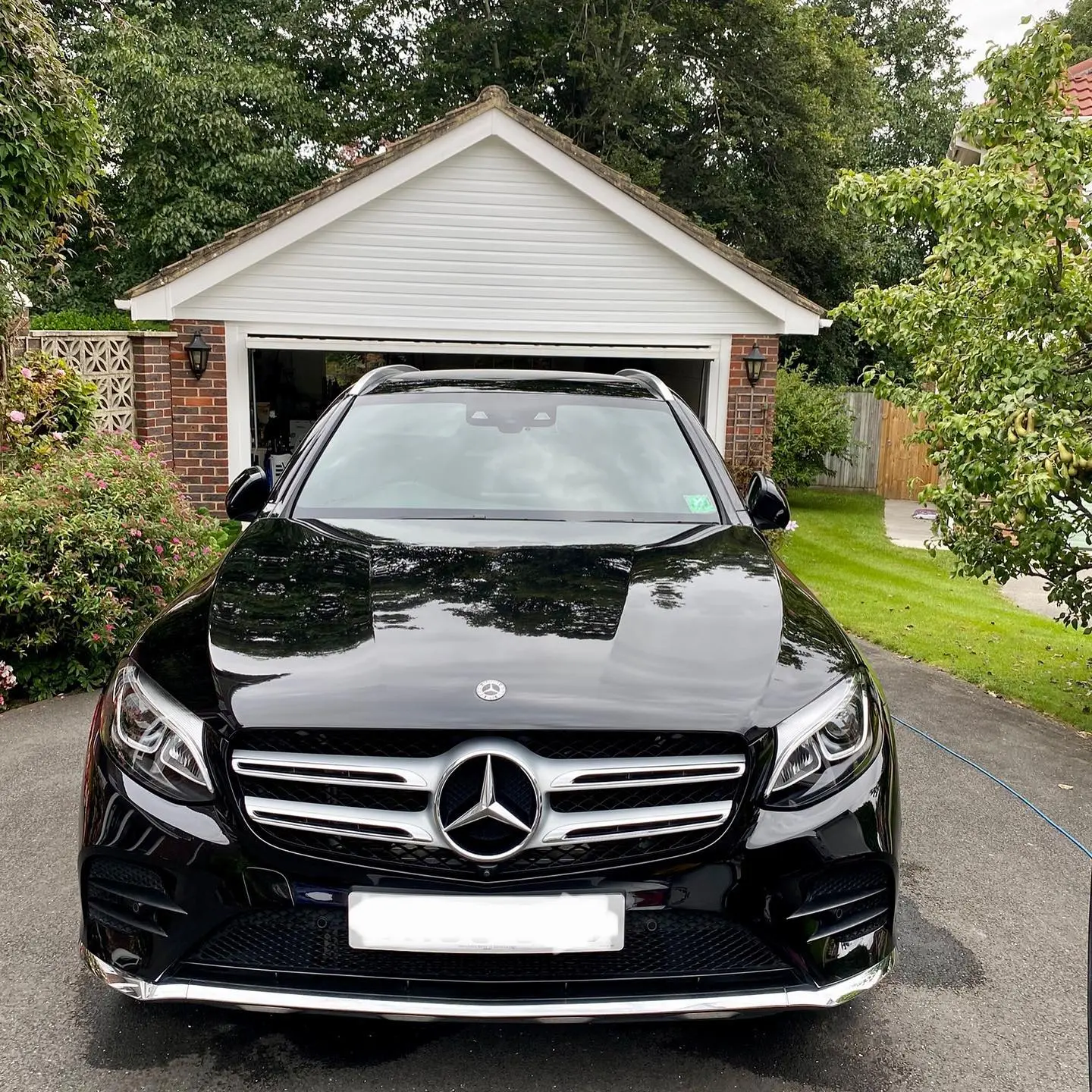
Headlight restoration pairs well with a full valet, leaving the whole front of the car looking sharp. We offer it alongside our valeting service across Derby and the East Midlands, coming to your home or work. Ask for a quote that includes your headlights.
Headlights gone cloudy and yellow?
EMobile Valeting brings professional, fully insured mobile valeting to your door across Derby, Nottingham and the East Midlands. No call-out fee.
See Car Valeting Get a Free Quote