Ink and pen marks lift from car seats when you blot with the right solvent for the material and work from the outside in. The biggest mistake is rubbing, which spreads a small dot of biro into a large smear. On fabric a little isopropyl alcohol usually breaks the ink down, while leather needs a gentler, leather-safe approach to avoid damaging the finish.
Act quickly and blot, do not rub
Fresh ink is far easier to remove than a mark that has dried and set. As soon as you spot it, dab the area with a clean, dry cloth to lift any wet ink, then start treating it. Throughout the process you should blot rather than rub, and work from the outer edge of the mark towards the centre so you contain it instead of spreading it.
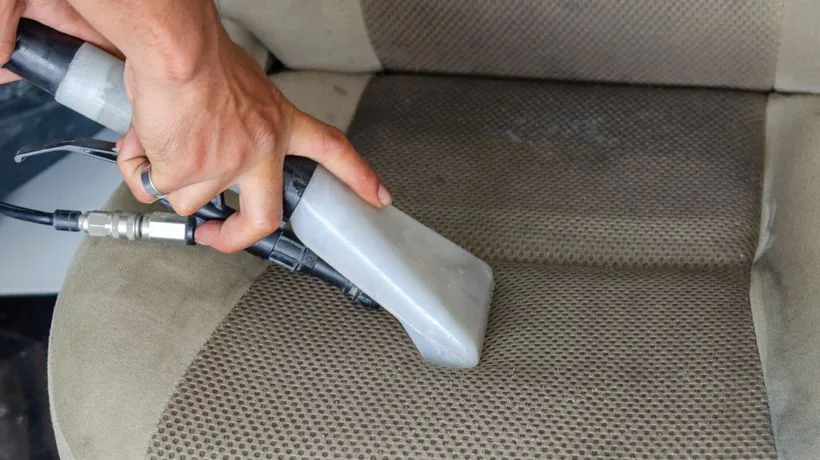
Removing ink from fabric seats
Isopropyl alcohol (surgical spirit) is the most reliable home treatment for ink on fabric.
- Dab a little onto a clean white cloth, not directly onto the seat.
- Blot the ink mark, turning the cloth to a clean section as it lifts the colour.
- Repeat with fresh alcohol until no more ink transfers.
- Finish with a little warm soapy water to remove the alcohol, then let it dry.
Test on a hidden area first to make sure the fabric colour is not affected.
Removing ink from leather seats
Do not use alcohol or solvents on leather, as they strip the protective finish and leave a dull or discoloured patch. Instead, use a dedicated leather cleaner on a soft cloth, working gently in small circles. For stubborn biro on leather there are purpose-made leather ink removers, but apply sparingly and condition the leather afterwards. If the seat is light-coloured or expensive, it is safer to have it treated professionally.
What not to use
Avoid hairspray, bleach and harsh household cleaners. Older advice about hairspray relied on the alcohol content, but modern formulas add oils and fragrance that leave their own marks. Bleach and strong cleaners can remove the seat colour along with the ink. Sticking to the right product for the material gives a far better result with no risk of a permanent patch.
When to get it done professionally
Ink that has dried in, covered a large area or landed on leather is worth handing to a professional. As part of a full interior valet we treat ink and pen marks with the correct products for each surface, so the seat comes out clean with no spreading or colour loss. We cover Derby and the wider East Midlands, coming to your home or work. Ask for a quote with a photo.
Pen marks on your seats?
EMobile Valeting brings professional, fully insured mobile valeting to your door across Derby, Nottingham and the East Midlands. No call-out fee.
See Car Valeting Get a Free Quote