
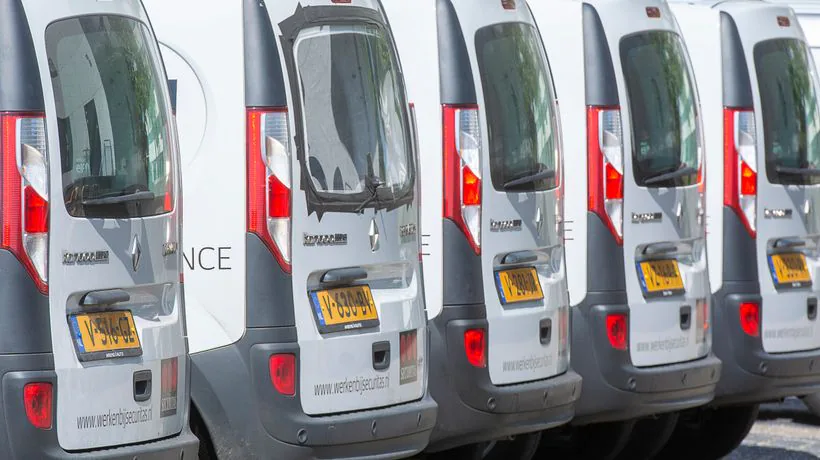
The main benefit of a fleet valeting contract is consistency. Instead of booking a clean when a van looks embarrassing or a lease return is due, every vehicle is looked after on a set rhythm, so the fleet never drifts into a state that needs an expensive catch-up. A contract also removes admin: nobody in the office has to chase quotes, arrange times or remind drivers. This article explains what a contract changes, what it should say, and how to tell whether it is worth it for your business.
What changes when you move from ad hoc cleaning to a contract?
Ad hoc cleaning tends to follow complaints. A customer mentions a grubby van, a manager books a one-off, and the vehicle is spotless for a fortnight before sliding back. Under a contract the pattern flips:
- Dirt never builds up, so each visit is lighter work and the result is more even across the fleet.
- Planning is done once. Dates, access and scope are agreed at the start and repeat without fresh bookings.
- Costs are predictable. A per-vehicle rate on a known schedule is easier to budget than occasional rescue cleans.
- Standards are shared. Drivers know when the next visit is and what condition is expected in between.
How does regular valeting help with safety and condition checks?
A clean vehicle is much easier to inspect. Scuffs, chips, cracked lenses, worn wiper blades and tyre damage stand out on clean paint and wheels, and are easily missed under road film. On a contract visit we see each vehicle often enough to notice when something has changed and mention it to your contact.
There is a legal angle too. Annex 6 of the Highway Code requires windscreens and windows to be kept clean and free from obstructions to vision, and lights, indicators, reflectors and number plates to be kept clean and clear, so dirty glass, lights or plates are a legal issue as well as a presentation one. HSE guidance says employers must manage health and safety risks to workers who drive for work, with the vehicle one of the main areas a risk assessment should cover. Regular cleaning supports both, although it does not replace your own maintenance and walkaround checks.
Does a contract make lease returns cheaper?
It can reduce the surprises. Leasing companies generally judge returned vehicles against the BVRLA's fair wear and tear guides. These accept deterioration from normal use, while damage caused by a specific event can be charged.
Grime does not count as damage, but it hides it, and stained or neglected interiors often lead to cleaning charges. A fleet cleaned on a schedule arrives at return day in a known condition, with any genuine damage already spotted and dealt with. For the car side of this, our guide to company car end of lease condition goes into more detail.
What should a fleet valeting contract include?
Put the details in writing so both sides know what each visit delivers. A useful agreement covers:
- Vehicle list and types: cars, small vans and larger vans, with registrations.
- Scope per type: for example exterior and cab every visit, load area monthly.
- Frequency: weekly, fortnightly or monthly, and whether it varies in winter.
- Access: where vehicles are parked, key arrangements, gate times and any wash restrictions on site.
- Extras: how heavy soiling, spillages, pet hair or odour jobs are priced when they come up.
- Reporting: how you want to hear about vehicles that were missing or showed new damage.
- Review and notice: when the arrangement is reviewed and how either side can change it.
How often should fleet vehicles be cleaned under contract?
Frequency should follow how the vehicles are used, not a round number:
- Customer-facing cars and liveried vans: often weekly or fortnightly, because they carry the brand.
- Trade vans on building sites or farms: cabs fill with dust and mud quickly, so a frequent cab clean with a less frequent full clean often works best.
- Pool cars with light use: monthly is usually enough, with a quick check of interiors between users.
Winter brings salt and spray, so many businesses step up exterior visits from late autumn and ease off in summer. We agree a starting schedule and adjust it once we see how quickly vehicles get dirty.
Is a fleet valeting contract worth it for a small business?
Size matters less than how much the vehicles matter to the business. If vans are parked outside customers' homes, cars carry staff to client meetings, or vehicles are leased and returned on fixed dates, regular cleaning tends to pay for itself in fewer charges and a better impression.
Our fleet valeting starts from £25 per vehicle, with no call-out fee. We clean at your premises or depot on schedules from one-off visits to weekly, with a single invoice for the fleet, and we are fully insured. For the practical side of the visits, such as site access, drainage and shift patterns, see our guide to planning on-site fleet valeting. The same contract approach applies across Derby, Derbyshire and our fleet valeting in Nottingham.
Sources
- BVRLA: Fair Wear and Tear Guides for Leased Vehicles
- GOV.UK: The Highway Code, Annex 6. Vehicle maintenance, safety and security
- HSE: Employers, driving and riding safely for work
Want a consistently clean fleet?
EMobile Valeting brings professional, fully insured mobile valeting to your door across Derby, Nottingham and the East Midlands. No call-out fee.
See Fleet Valeting Get a Free Quote