The best way to clean a campervan or motorhome interior is to empty it completely, then work zone by zone from the top down: ceiling and lockers, upholstery and curtains, kitchen, washroom and finally the floor. Use low-moisture methods on fabric and foam, and finish by drying the whole van with the vents, lockers and doors open. A living space this small holds smells, crumbs and condensation far more than a car, so the drying matters as much as the cleaning. This guide covers each zone and how to leave the van ready for storage.
How should you prepare a camper for a deep clean?
Start with a completely empty van. Take out bedding, cushions that come away easily, curtains, food, crockery and everything in the lockers. Open the roof lights, windows and all locker doors, and switch off the habitation power at the control panel before cleaning near sockets or switches.
Look for damp as you empty it. Feel the backs of lockers, the corners under seats and the floor near doors and windows. Soft spots, staining or a musty smell near a seal are worth noting before cleaning hides them. The Camping and Caravanning Club recommends regular inspection for damp so any water ingress can be dealt with as early as possible.
How do you clean campervan cushions, curtains and carpets?
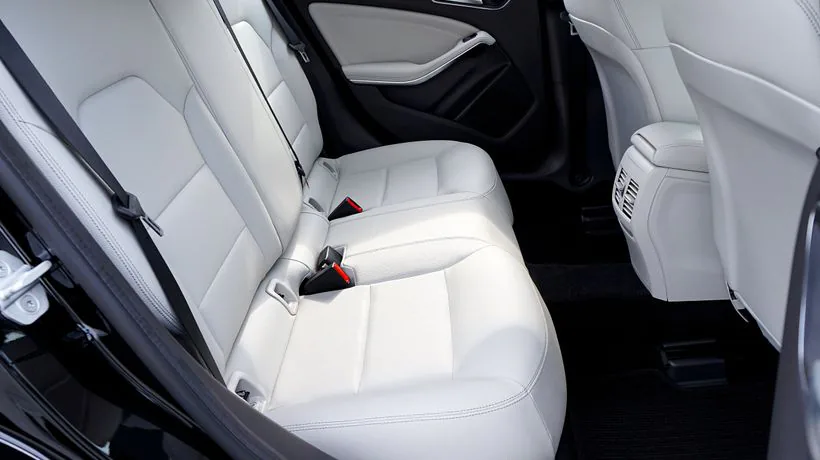
Camper upholstery takes the heaviest use, and the foam inside holds moisture for a long time if it gets wet.
- Vacuum thoroughly first, including seams, piping and the underside of cushions.
- Spot clean food and drink marks with a mild upholstery cleaner applied to a cloth, blotting rather than rubbing.
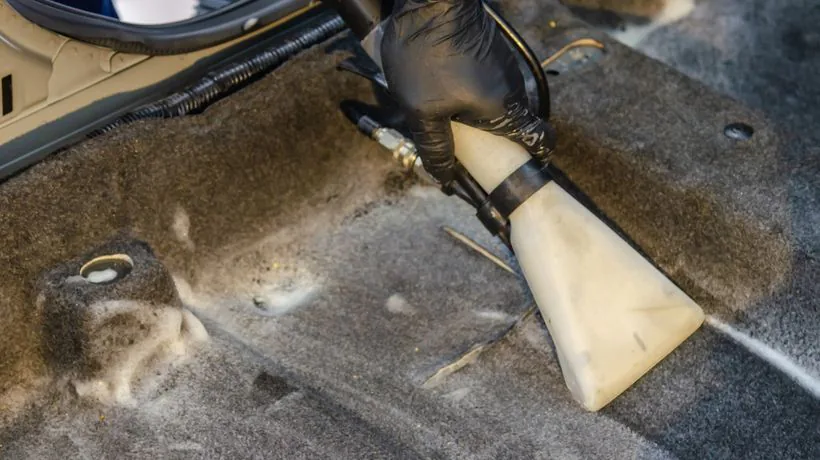
- Use low-moisture extraction or steam for a full refresh. Both lift grime from fabric with far less water than soaking, so the foam dries faster.
- Check washing labels before putting removable covers or curtains in a machine; some shrink and will not refit.
- Clean carpets last, lifting any loose mats to dry separately.
Dry cushions standing on edge so air reaches both faces, ideally in a warm room indoors.
What is the best way to clean the kitchen, washroom and lockers?
Treat these areas like a small kitchen and bathroom at home, but with lighter products and less water.
- Lockers and cupboards: vacuum crumbs, wipe with a mild cleaner and leave the doors open.
- Hob, sink and worktop: degrease with a product suitable for the surface, then rinse with a damp cloth. Avoid abrasive pads on acrylic or plastic sinks.
- Fridge: empty, wipe inside and leave it propped ajar. The Camping and Caravanning Club advises keeping the fridge door ajar in storage to prevent odours and damp.
- Washroom: clean the shower tray and walls with a non-abrasive cleaner, and dry the seals, where mould often starts.
- Ceiling and roof lights: wipe with a barely damp cloth, keeping water out of light fittings and fans.
How do you stop damp and condensation inside a camper?
Condensation in a camper comes from cooking, showers, drying wet clothes and people sleeping in a small space. GOV.UK guidance on damp and mould in the home names showering, drying laundry and cooking as everyday sources of moisture, and explains that inadequate ventilation stops that moisture escaping.
- Open a roof light or window when cooking and showering, even in cold weather.
- Dry wet coats and towels outside or in an awning rather than inside the van.
- Keep vents clear and never tape them over.
- Wipe condensation off windows each morning.
- Use moisture absorbers in lockers between trips and empty them regularly.
For the same habits in a car, our guide to reducing condensation inside your car goes into more detail.
How should you lay up a motorhome for winter?
The Camping and Caravanning Club says a damp atmosphere can create the conditions for moulds and fungus to grow, and that the best way to limit damp is to provide warmth and a flow of air through the van. Its advice includes:
- removing all traces of food and thoroughly cleaning the kitchen and appliances
- taking soft furnishings such as cushions and curtains into the house if possible
- placing any cushions left in the van upright for ventilation
- opening the interior lockers in the living area
- keeping the fridge door ajar
Clean before storage, not after. Crumbs and spills left over winter feed mould and attract pests, and are much harder to deal with in spring.
When should you call in a professional?
Get help if there is visible mould on fabrics or headliners, if a smell persists after cleaning and airing, or if the upholstery is too heavily soiled to clean without soaking it. Mould and damp can aggravate allergies and asthma; see a GP for symptoms. Mould treatment removes visible growth, but the damp source still needs fixing by a habitation specialist.
We come to where the camper is parked or stored, with our own water and power, provided there is safe access around the van. Our steam cleaning starts from £60 and mould removal from £80; campervans and motorhomes are quoted on size and condition. For the outside of tourers, see our guide to caravan cleaning and exterior care.
Sources
- The Camping and Caravanning Club: A Guide to Winterising a Motorhome
- GOV.UK: Understanding and addressing the health risks of damp and mould in the home
Camper needing a freshen-up?
EMobile Valeting brings professional, fully insured mobile valeting to your door across Derby, Nottingham and the East Midlands. No call-out fee.
See Steam Cleaning Get a Free Quote