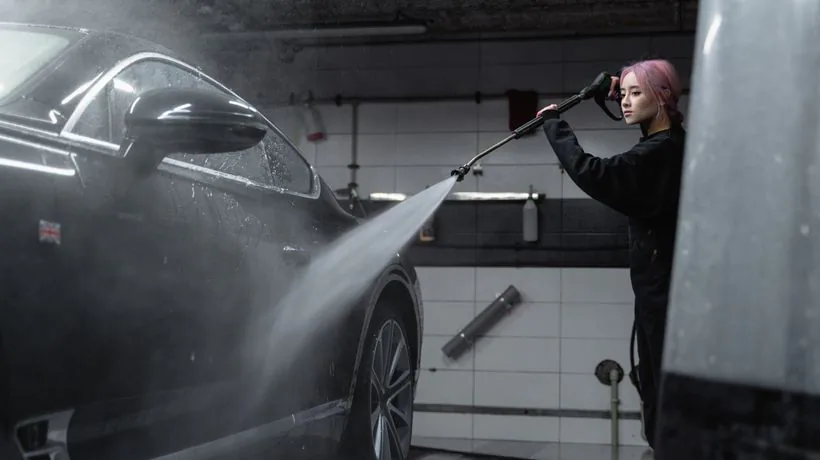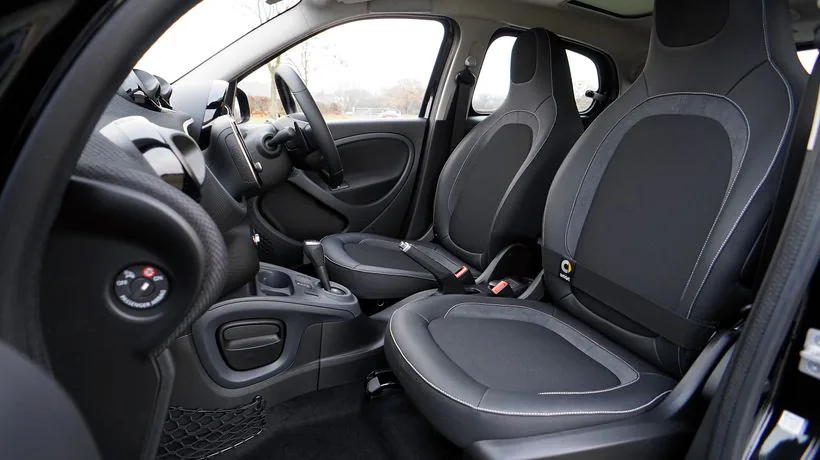
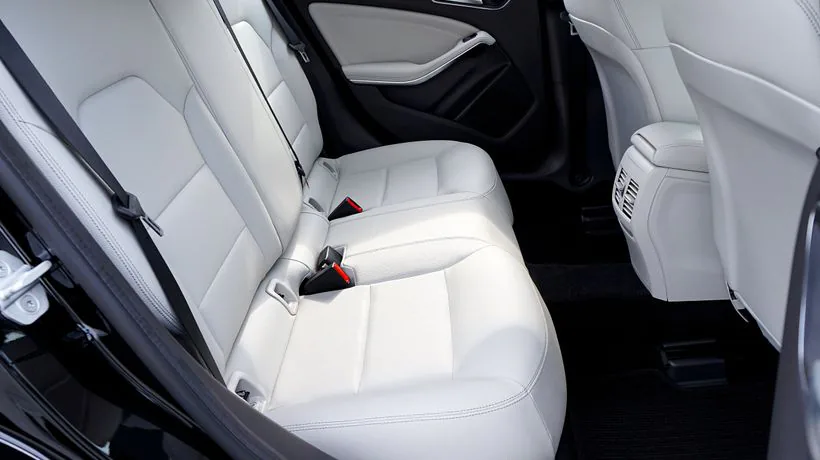
A car interior collects the same allergens as a bedroom: house dust mites in the seats and carpets, pollen drawn through the vents and carried in on clothes, pet dander, and sometimes mould where moisture gets in. Because the cabin is small and often closed, exposure is concentrated, and for some people this can aggravate allergies and asthma. You cannot make a car allergen free, but a few habits and a periodic deep clean keep levels down. If you have persistent symptoms, see a GP, as cleaning is not a substitute for medical advice.
Which allergens build up in a car?
The NHS lists pollen, house dust mites, pet dander and mould among the common triggers of allergic rhinitis, and a car can hold all four.
- Dust mites feed on skin flakes and like warmth and humidity. Allergy UK describes them as about a quarter of a millimetre long, so they live deep in fabric and foam, out of sight.
- Pollen enters through open windows and the ventilation intake, and settles on the dashboard, carpets and seats.
- Pet dander clings to fabric long after the hair has been vacuumed away.
- Mould grows where the cabin stays damp, such as wet carpets from a leaking seal or a boot that has carried wet kit.
Where do they hide?
- Seat fabric and foam, especially the driver's seat, which collects the most skin flakes.
- Carpets and underlay, where grit grinds allergens deep into the pile.
- The cabin (pollen) filter, which traps pollen and dust but releases it again once it is clogged.
- Air vents and ducts, where dust settles on the louvres; our guide to cleaning car air vents properly shows how to reach them.
- The headliner, which is rarely cleaned and collects airborne dust.
- Child seats and their covers, which trap crumbs and moisture.
What weekly habits keep allergens down?
- Vacuum with a HEPA filter. The NHS recommends a vacuum with a HEPA filter for dust allergies, because ordinary machines can blow fine particles back out.
- Wipe hard surfaces with a damp microfibre rather than a dry duster, which just moves dust into the air.
- Keep windows closed and use recirculation on high pollen days, then switch back to fresh air to stop the windows misting.
- Shake out and wash removable mats and seat covers. Washing fabric at 60°C or above kills dust mites, according to Allergy UK.
- Keep the cabin dry. Remove wet coats, umbrellas and gym kit, and deal with any leaks quickly.
Does steam cleaning help with dust mites?
Yes, within limits. Allergy UK notes that a high-temperature steam cleaner can kill house dust mites in carpets, and the same applies to car seats and footwells, which are hard to wash any other way. Steam also reduces bacteria on the surfaces it reaches and lifts the skin flakes and grime that mites feed on. It will not reach every mite deep in thick foam, and a car that is used daily builds up again, so think of steam as a periodic reset rather than a one-off cure.
On a professional interior steam clean we vacuum thoroughly, steam the vents and hard trim, then steam and extract the seats and carpets so the loosened debris leaves the car. Steam cleaning starts from £60.
How does the season change things?
In spring and summer, pollen is the main concern, so the cabin filter and closed windows matter most. Our pollen season car care tips cover keeping the outside of the car clear as well. In autumn and winter, damp is the problem: wet shoes, condensation and heaters running on recirculation raise humidity, which suits both mites and mould. Government guidance on damp and mould notes that people with asthma and allergies are particularly vulnerable to it, so a damp car is worth tackling promptly, and our car mould removal service deals with visible growth.
How often should an allergy sufferer have the car deep cleaned?
For most people, a deep clean twice a year, ideally at the start of spring and before winter, alongside the weekly habits above is a sensible routine. If you carry a dog, have young children or your symptoms are clearly worse in the car, every three to four months is reasonable. Change the cabin filter at least once a year, or at every service if you drive on dusty or rural roads. If symptoms continue despite a clean car, speak to a GP or pharmacist.
Sources
- Allergy UK: House dust mite allergy
- NHS: Allergic rhinitis
- GOV.UK: Understanding and addressing the health risks of damp and mould in the home
Want a fresher, cleaner cabin?
EMobile Valeting brings professional, fully insured mobile valeting to your door across Derby, Nottingham and the East Midlands. No call-out fee.
See Steam Cleaning Get a Free Quote