The golden rule of classic car detailing is to do as little as necessary, as gently as possible. Older paint may be single stage or already thin from decades of polishing, chrome and rubber are irreplaceable on some models, and original interiors are worth far more than restored ones. Good classic care focuses on careful washing, protecting rather than cutting the paint, keeping water out of the places that rust, and storing the car well. This guide covers each area, plus the MOT and tax rules every classic owner should understand.
How is a classic car different from a modern one to clean?
- Paint: many older cars wear single stage paint, where colour and gloss are one layer, so polish pads turn the colour of the car. Others have been resprayed, sometimes more than once. Paint thickness can be unknown.
- Panel gaps and seams: water gets into seams, sills and box sections more easily, and older cars have far less factory rust protection.
- Brightwork: real chrome, polished stainless and alloy trim each need different care.
- Rubber: seals may be original and brittle, and some are no longer made.
- Interiors: old leather, vinyl and wool or cloth can be fragile and may react badly to strong modern cleaners.
How do you wash a classic car safely?
- Use a hose on a gentle setting rather than a pressure washer, which can force water into seams, behind trim and through tired seals.
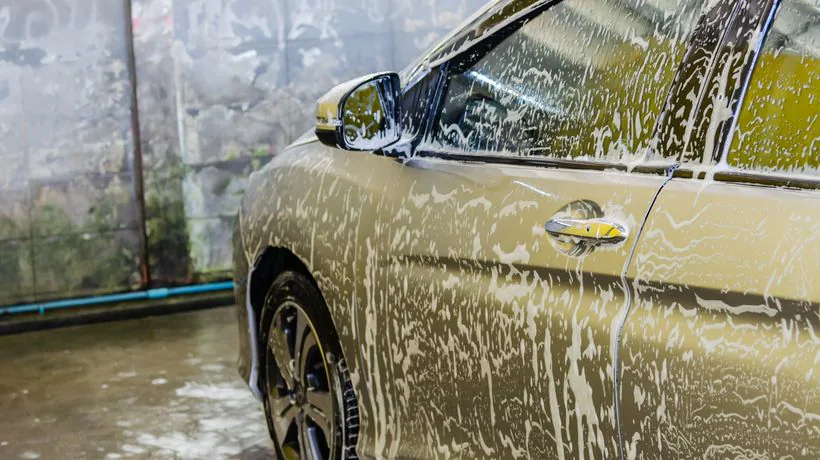
- Pre wash with a mild, pH neutral snow foam or shampoo to soften dirt.
- Contact wash with the two bucket method and soft mitts, working top down.
- Dry thoroughly with soft towels, then use a blower or a short drive to clear water from seams, door bottoms and around chrome.
- Open the doors, boot and bonnet so water can escape from drains and shuts.
Never wash a classic in direct sun or leave it wet overnight. Moisture trapped in seams is how rust starts.
Should you polish classic paint?
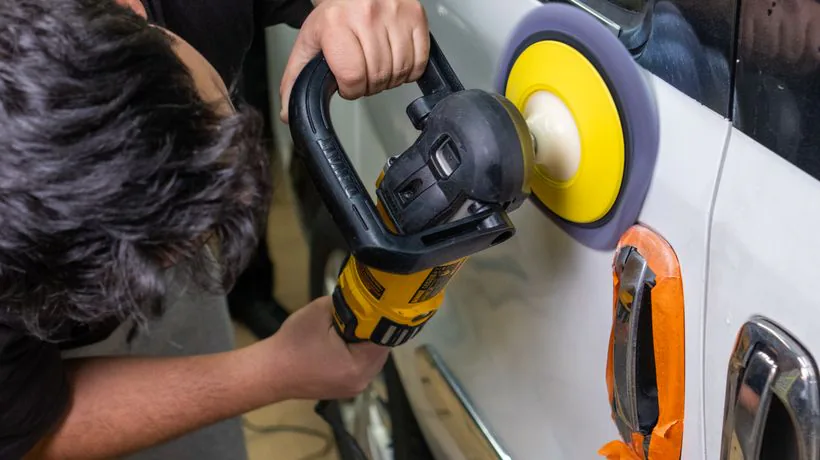
Only as much as needed. Every polish removes a little paint, and on an older car there may not be much left. Start with the least aggressive option: a cleanser or glaze by hand, then a fine finishing polish by machine only if the result justifies it. Test a small hidden area first and check the pad for colour transfer. Deeper defects need measured, professional judgement, which is what our premium detailing, with paint correction and protection from £150, is for. Our article on what paint correction is explains the process and its limits.
After polishing, protect the paint with a quality wax or sealant. Many classic owners prefer carnauba wax for its warm look; our guide to choosing between wax, sealant and ceramic compares the options.
How do you look after chrome, rubber and the interior?
- Chrome: clean with a dedicated chrome polish and soft cloth; avoid abrasive wire wool on plated parts. A coat of wax helps slow pitting.
- Rubber seals: clean gently and feed with a rubber care product so they stay supple and keep water out.
- Leather: clean with a mild leather cleaner and soft brush, then condition. Very old or cracked leather benefits from specialist advice.
- Vinyl and cloth: test any cleaner on a hidden area first; old dyes can run.
- Carpets: vacuum and dry thoroughly. Damp carpets on old floor pans speed up corrosion from the inside.
How do you store a classic car between drives?
The RAC says metal corrosion is the number one killer of vehicles built in the 1990s or before, and that a yearly polish provides a layer of protection and helps prevent rust spreading. Storage is where that battle is won or lost.
- Store the car clean and fully dry.
- Use a breathable indoor cover rather than a plastic sheet, which traps condensation.
- Keep it in a dry, ventilated garage if possible; a dehumidifier helps.
- Avoid driving through winter salt where you can, and rinse the underside thoroughly if you do.
- Use a battery conditioner and move the car occasionally so tyres do not flat spot.
What are the MOT and tax rules for historic vehicles?
GOV.UK says a vehicle can be exempt from the annual MOT if it was built or first registered more than 40 years ago and no substantial changes have been made to it. Crucially, the same guidance says you must still keep it in a roadworthy condition. For vehicle tax, GOV.UK currently says cars built before 1 January 1986 can stop paying from 1 April 2026; check its eligibility page for the cut off that applies when you apply.
Exemption is not a reason to skip checks. A thorough clean is a good time to look for bubbling paint, soft sills and perished brake hoses. When you want help, our mobile valeting service comes to your garage, so the car need not leave home.
Sources
- GOV.UK: Historic (classic) vehicles, MOT and vehicle tax
- RAC: Best ways to make your car last longer
Got a classic that needs careful hands?
EMobile Valeting brings professional, fully insured mobile valeting to your door across Derby, Nottingham and the East Midlands. No call-out fee.
See Car Valeting Get a Free Quote