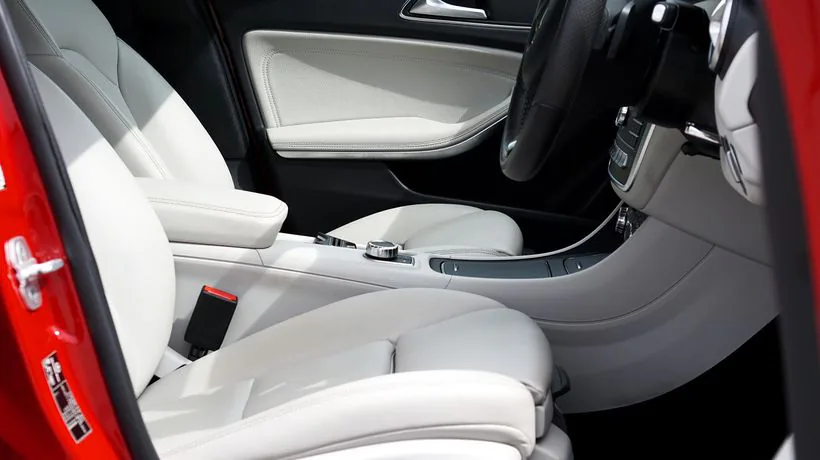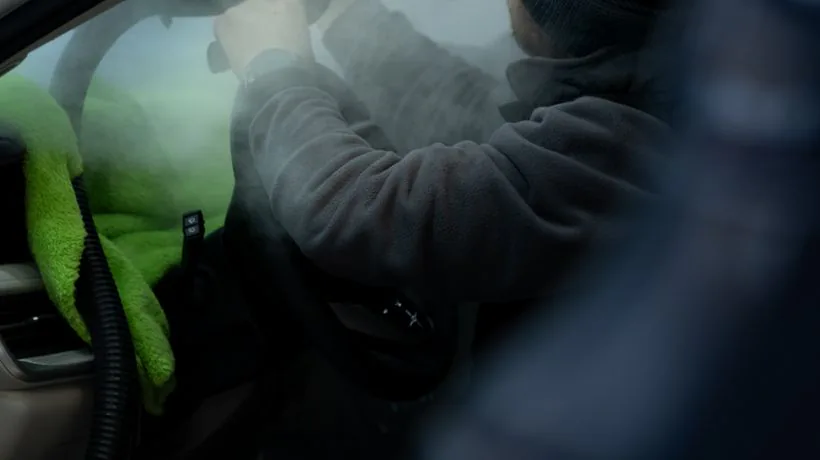
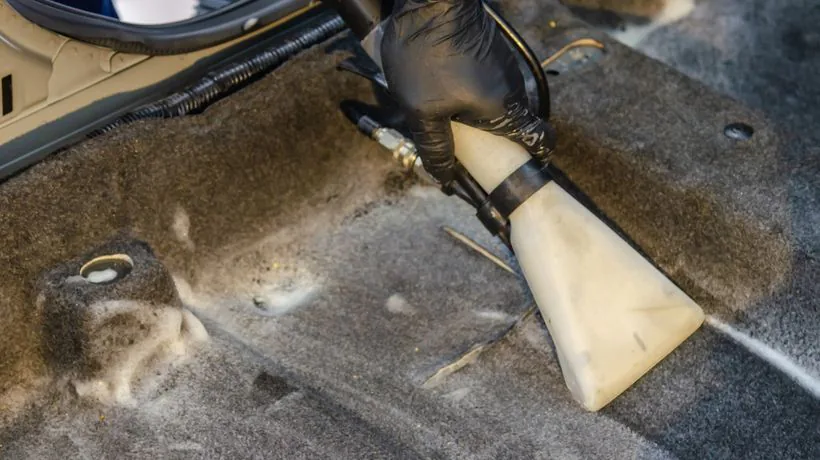
To clean car upholstery at home, vacuum thoroughly, pre-treat any marks, work a fabric upholstery cleaner in with a soft brush, then lift the dirt out with a wet vac or clean towels and let the seats dry with the doors open. The secret is using as little liquid as possible. Cloth seats hide thick foam underneath, and once that foam is soaked it dries slowly, pulls dirt up into a tide mark and can start to smell. This guide covers the kit, each step in order, and the mistakes that cause most problems.
What do you need to clean cloth car seats?
You don't need a garage full of products. A sensible home kit is:
- A vacuum with a crevice tool and brush head. Cordless models are handy, but a corded one usually has more suction for seat seams.
- A dedicated upholstery or fabric cleaner, ideally one sold for car interiors, diluted as the label says.
- A soft upholstery brush or a clean soft nailbrush. Stiff bristles fluff and fray woven fabric.
- Several clean microfibre towels, preferably white or light so you can see the dirt they pick up.
- A spray bottle of clean water for rinsing.
- A wet and dry vacuum if you have access to one. It is the single biggest upgrade for DIY seat cleaning.
Avoid washing-up liquid in large amounts, carpet shampoo meant for houses that foams heavily, and anything containing bleach. Nissan's owner's manual for the Leaf also warns against fabric protectors unless the manufacturer recommends them, so check your own handbook before spraying a protector on.
Why should you vacuum before using any cleaner?
Dry soil is the enemy. Sand, crumbs and grit sit deep in the weave and, once wet, turn into a muddy paste that spreads rather than lifts. Spend longer on this stage than feels necessary.
- Slide each front seat fully forward, then fully back, so you can reach the runners and the gap underneath.
- Push the crevice tool into the seam where the backrest meets the cushion.
- Brush the fabric with your hand or a soft brush while vacuuming to loosen embedded dirt.
- Go over each panel in two directions.
This also helps people with allergies. The NHS lists house dust mites and pets among the most common allergens, and a car's fabric seats collect both. A good vacuum will not remove everything, but it reduces the load before any liquid touches the seat.
How do you clean the seats without soaking them?
Work one panel at a time, roughly the size of a seat cushion, so the cleaner never dries before you lift it out.
- Test first. Apply a little cleaner to a hidden area, such as the lower side of a seat, and blot with a white towel. If colour transfers, stop.
- Pre-treat marks. Mist the cleaner onto any visible stains and give it a minute or two to work.
- Spray lightly across the panel. You want the surface damp, not wet.
- Agitate gently. Use small circles with the soft brush to lift dirt out of the weave.
- Extract. Run a wet vac slowly over the panel, or press a folded towel firmly into it and turn the towel as it gets dirty.
- Rinse lightly. Mist with clean water and extract again to remove leftover cleaner, which otherwise attracts new dirt.
Work the whole panel edge to edge. Cleaning only the centre of a seat is what leaves a visible ring. The University of Georgia's textile stain guidance makes the same point: overwetting upholstery can make the fabric finish migrate and leave a circle around the treated area.
Specific marks need their own approach. Our guides to getting coffee out of car seats and fixing water marks and tide lines go into more detail.
How long do car seats take to dry, and how do you speed it up?
Lightly cleaned seats usually feel dry to the touch within a few hours on a mild day, but the foam beneath can stay damp much longer if you used too much liquid. To help them along:
- Clean in the morning so you have daylight hours for drying.
- Leave the doors or windows open while you are nearby, or run the engine with the heater on and the air conditioning switched on, which dries the air.
- Press dry towels into the seat to wick out extra moisture.
- Don't sit on the seats or close the car up overnight while they are still damp.
Season matters. In a damp British winter, cold air holds little moisture away from the seat and the cabin mists up quickly, so seats can take far longer. Spring and early autumn, on a dry day, are the easiest times to do the job yourself.
What mistakes damage car upholstery?
- Too much water. It soaks the foam, causes tide marks and can lead to a musty smell.
- Scrubbing hard. Aggressive brushing raises pile, frays stitching and makes the fabric look worn.
- Hot water on unknown stains. Heat can set protein based marks such as milk or blood.
- Household products not made for upholstery. Bathroom cleaners and bleach can strip colour.
- Leaving residue behind. Soapy fabric stays tacky and gets dirty again within weeks.
When is a professional upholstery clean worth it?
DIY works well for routine freshening. It struggles with heavily soiled seats, old stains, sick or pet accidents and cars that smell damp, because household kit can't extract enough moisture. A professional valeter uses a hot water extraction machine that rinses and recovers in one pass, so the fabric is cleaned deeper and left much drier.
On a visit we vacuum every seat and carpet, pre-treat marks, then extract the fabric panel by panel. Our full interior and exterior valet starts from £80, and interior steam cleaning starts from £60, which suits seats that need a hygienic refresh as well as a clean. We bring our own water and power, so it can all be done on your drive.
Sources
- NHS: Allergies
- University of Georgia Extension: Remove Stains From Soft Drinks
- Nissan: Leaf Owner's Manual, Cleaning interior
Stains or smells you can't shift?
EMobile Valeting brings professional, fully insured mobile valeting to your door across Derby, Nottingham and the East Midlands. No call-out fee.
See Steam Cleaning Get a Free Quote