DIY car cleaning is perfectly good for routine exterior washes and keeping the cabin tidy, as long as you use a safe method. A professional is worth paying for the jobs that need commercial equipment, time or experience: deep interior cleans, embedded pet hair, stained upholstery, smells, mould and anything involving machine polishing. The most cost-effective approach for many people is to do the regular washing yourself and book a professional full valet a few times a year. This guide explains where the line falls and how to do your part without harming the paint.
Which jobs can you do well yourself?
- Fortnightly exterior washes with two buckets, a microfibre mitt and car shampoo.
- Removing bird droppings and sap promptly with a dedicated remover or quick detailer.
- Weekly interior tidies: rubbish out, mats shaken, a quick vacuum.
- Wiping hard surfaces with a damp microfibre cloth and an interior cleaner suited to plastics.
- Topping up wax or a spray sealant between professional visits.
For the right sequence, read what order to clean your car.
How do you wash at home without damaging the paint?
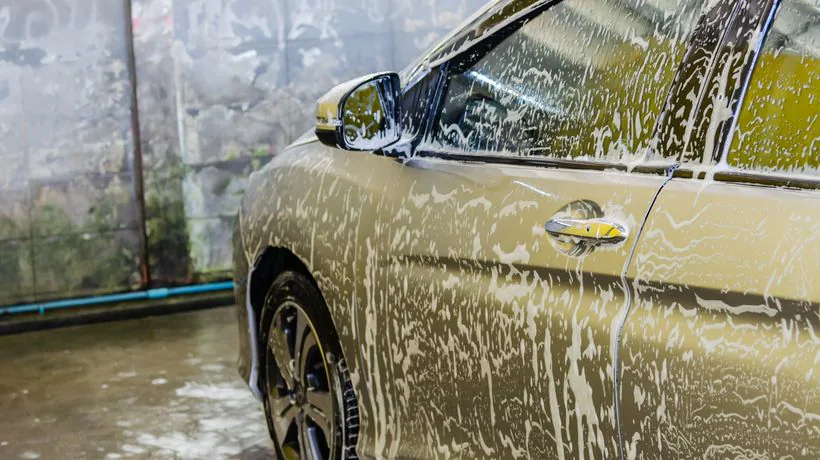
Carbuyer recommends filling two buckets before you begin, one with plain water for rinsing and one with shampoo, and rinsing the mitt in the plain water between sections. It also advises a microfibre noodle or mitt with long strands instead of a sponge, because grit collects between the strands rather than being dragged across the paint. Our explainer on the two-bucket wash method goes into the detail. The AA adds three points worth following:
- Rinse first to remove loose grit, then wash from the top down.
- Don't let the car air dry, as it leaves streaks and watermarks; dry with microfibre.
- Avoid direct sun and heat, which dries soap on the paint; wash early or in the evening in hot weather.
What are the most common DIY mistakes?
- Washing-up liquid. Carbuyer warns household cleaners can remove the protective wax layer from paint.
- One bucket and a sponge. Grit goes back on the paint and causes swirl marks.
- Dropping a mitt or towel and carrying on. Anything that touches the ground needs washing before it goes near the paint.
- Using the same cloth on wheels and paint. Brake dust is abrasive.
- Too much product on interior plastics. Leaves a greasy, reflective dashboard and attracts dust.
- Soaking fabric. Over-wetting seats and carpets can leave them damp for days in cold weather, which risks smells.
Where does a professional make the biggest difference?
- Deep interiors. Commercial vacuums, detailing brushes for vents and seams, and the right product for each surface make a visible difference in a car that has been used hard.
- Pet hair. Removing hair woven into carpet is slow, and professional rubber tools and powerful vacuums do it far better than a household vacuum.
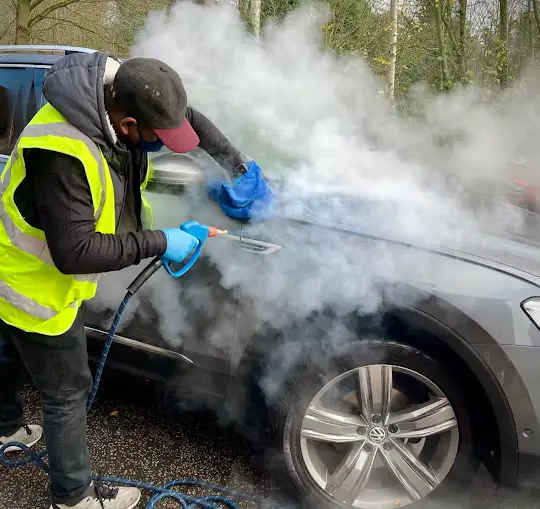
- Stains and smells. Steam cleaning lifts grime from fabric and reduces bacteria without soaking it.
- Mould. Needs proper treatment and drying. Mould can aggravate allergies and asthma; see a GP if you have symptoms.
- Paint correction. Machine polishing in inexperienced hands can burn through clear coat on edges.
Is home washing a problem for the environment?
It can be. Government guidance on pollution prevention lists vehicle washing as an activity that produces contaminated water and points out that surface water drains discharge directly to the environment, so anything that goes into them is not treated. The AA makes the same point about soapy runoff from washing at home. If you wash on the street or a drive that slopes to a road gully, use less product, rinse with a bucket rather than a running hose, or consider a waterless product for light dirt.
How do the costs compare over a year?
Setting up properly at home means buckets with grit guards, wash mitts, plenty of microfibre towels, car shampoo, wheel cleaner, glass cleaner, interior cleaner, wax and a decent vacuum, then replacing consumables. Against that, our exterior wash starts from £30 and a full valet from £80, with no call-out fee. If you enjoy cleaning and have space, DIY plus occasional professional valets is the cheapest route. If time is short, read whether mobile valeting is worth it or see our car valeting service.
Sources
- Carbuyer: Best car cleaning tips: how to wash your car
- The AA: How to wash your car
- GOV.UK: Pollution prevention for businesses
Want the deep clean done for you?
EMobile Valeting brings professional, fully insured mobile valeting to your door across Derby, Nottingham and the East Midlands. No call-out fee.
See Car Valeting Get a Free Quote