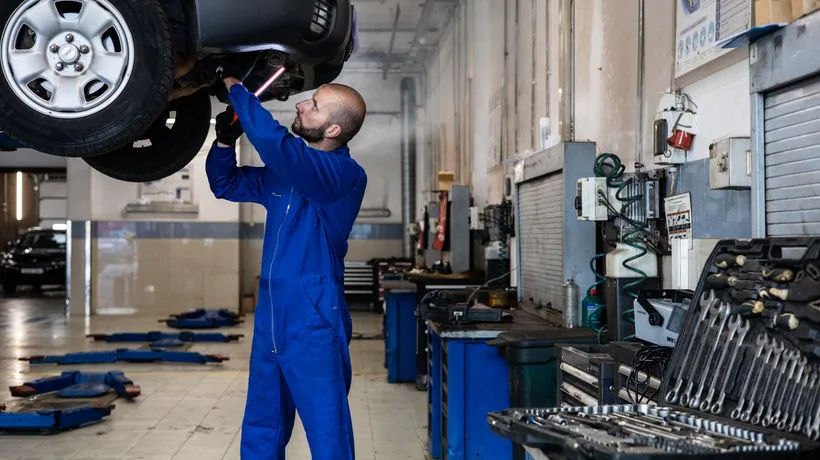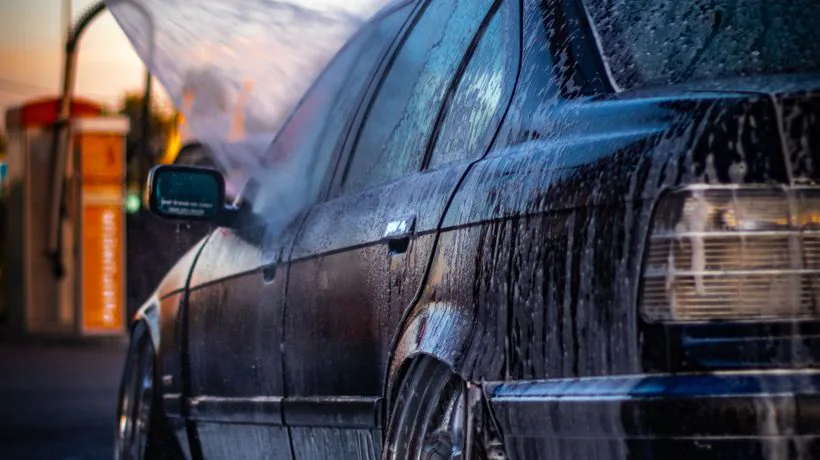

For most drivers a mobile valet is the better choice once the car needs more than a quick rinse. The valeter works on your car alone, at your home or workplace, and you lose no time queueing on a forecourt. A static car wash, either an automatic machine or a staffed hand wash bay, is quicker and cheaper for a basic exterior clean. Which is better for you depends on what needs doing, how much your time is worth and how much you care about the paintwork. This guide sets out the trade-offs plainly so you can decide.
What is the real difference between a mobile and a static wash?
A static wash is anywhere you drive to. In the UK that usually means one of four things:
- Automatic roll-over or tunnel washes at fuel stations and supermarkets, using brushes, cloth strips or high-pressure jets.
- Self-service jet wash bays where you pay for a timed spell with a lance and foam brush.
- Hand car washes run by a team on a forecourt or car park.
- Valeting centres with a unit, where you leave the car for a few hours.
A mobile valeter comes to the car instead. We arrive with our own water and power, so we do not need your outside tap or a socket, and there is no call-out fee. The work is the same kind of hand wash and interior clean a good valeting centre would do, just carried out where the car is parked.
Which gives the better finish on the paintwork?
The finish depends far more on method than on location. A careful hand wash at a static site can be excellent, and a careless mobile valeter can still leave marks. What tends to differ is time and attention per car.
A busy static site is set up to move cars through. Brushes and cloth strips touch every vehicle in the queue, and a team working fast may use one mitt across many cars, or on wheels and then paint. That is how grit from the car before ends up dragged across yours. A mobile valeter has one car booked in that slot, so there is time to pre-wash, rinse mitts between panels, keep wheel brushes separate and dry by hand.
Drying matters more than people expect. The AA notes that wiping a car down by hand, rather than relying on the blow dryers in automatic washes, reduces water marks, and that a cloth reaches cracks a machine misses.
How do time and convenience compare?
An automatic wash takes a few minutes once you reach the front of the queue, but the trip there and back still eats into your day. A hand wash bay or valeting centre can mean waiting around for an hour or dropping the car off.
With a mobile valet the car is cleaned on your drive, on the street outside or in the car park at work, and you carry on with whatever you were doing. Standard hours are Monday to Saturday, 9am to 5pm, and weekend or out-of-hours slots can sometimes be arranged. What we need is reasonable space to walk round the car and open the doors, plus permission if it is a shared or private car park. Our guide on whether you need a driveway for mobile valeting covers flats, terraces and workplaces.
What does each option cost, and what do you get?
On price per visit, an automatic wash is the cheapest way to get water and soap on the car. A forecourt hand wash costs a little more. A mobile exterior wash starts from £30, a full interior and exterior valet from £80, and premium detailing (paint correction and protection) from £150.
Comparing those figures directly is misleading unless the work matches. A drive-through cleans the outside only and rarely touches the door shuts, wheel barrels or glass edges. A forecourt hand wash may add a quick vacuum. A full mobile car valet covers the interior properly: seats, carpets, dashboard, vents, glass inside and out, plus a wax or sealant finish on the paint. The fair comparison is cost per job done well, not cost per visit.
What about water, run-off and the environment?
Car wash water carries detergent, road grime, oil and brake dust. NetRegs, the environmental guidance service backed by the UK regulators, says vehicle wash run-off must not enter surface water drains, surface waters or ground waters, and that washing should happen in areas where run-off can be contained. It also advises choosing biodegradable, phosphate-free detergents.
Well-run static sites are built around this, with drainage to the foul sewer and interceptors. When you wash at home with a hose, the water often runs into a roadside gully that may lead straight to a stream. A mobile valeter should be using modest volumes and suitable products, so it is fair to ask how any provider handles run-off. Our article on how mobile valeting works without your water or power explains what we carry.
When is a static wash the sensible choice?
There are good reasons to use a static site, and we would not pretend otherwise:
- Salt rinses in winter. A jet wash bay is a quick way to rinse salt from arches and sills between proper washes.
- Very muddy cars. After a farm track or a field car park, knocking off the worst at a jet wash makes the next proper clean safer.
- Tight budgets. If the choice is a cheap wash or no wash at all through a salty winter, a rinse is better than leaving salt on.
If you use an automatic, pick a touchless one where you can, fold the mirrors, remove roof boxes and check the warning signs for aerials and soft tops. Dark paint shows brush marks most in low winter sun.
How do you get the most from a mobile valet?
A little preparation helps the visit go smoothly:
- Take valuables and loose items out of the cabin and boot.
- Park with space on at least two sides, away from overhanging trees if you can.
- Tell us about stains, smells, child seats or marks you are worried about before we start.
- Leave the keys available so we can open doors and the boot.
If you live around Derby, our page on car valeting in Derby shows the areas we cover.
Sources
Prefer the valet to come to you?
EMobile Valeting brings professional, fully insured mobile valeting to your door across Derby, Nottingham and the East Midlands. No call-out fee.
See Car Valeting Get a Free Quote