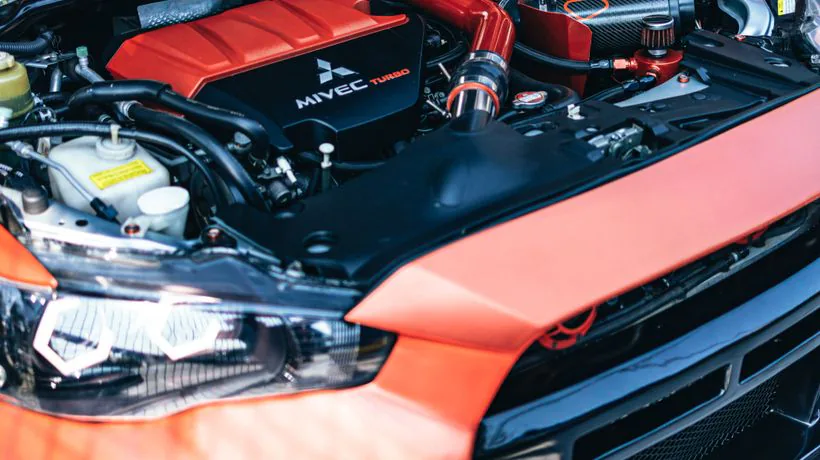
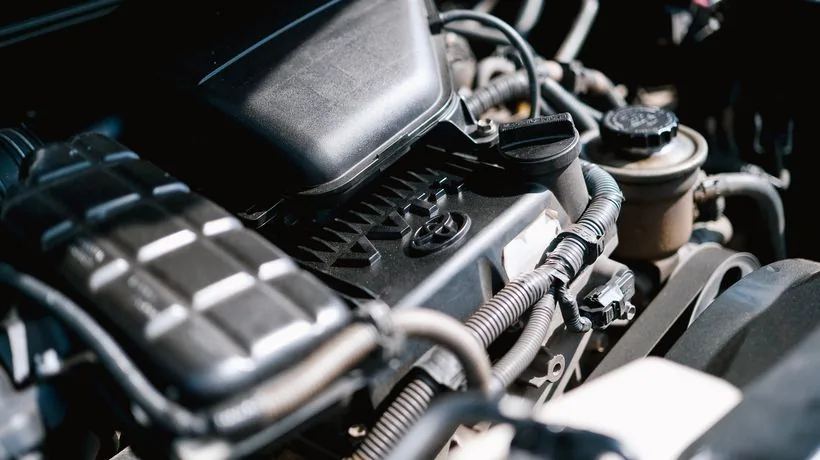
Cleaning an engine bay will not damage your car if it is done gently: engine cold, sensitive electrics covered, a mild degreaser, soft brushes and a light rinse. Damage happens when someone blasts a hot engine at close range with a pressure washer, floods connectors, or uses strong solvents that attack hoses. Hybrid and electric cars need more caution because of their high voltage systems. This article separates the genuine risks from the myths and explains when an engine bay clean is worth doing, and when you can happily leave it.
What can actually go wrong?
The genuine risks are few, and almost all are avoidable:
- Water forced into electrical connectors. Under bonnet plugs are sealed against splashes and rain, not a narrow jet of high pressure water from a few centimetres away. Moisture in a sensor plug can cause a misfire or a warning light until it dries.
- Water in the air intake. An uncovered intake can draw water towards the engine. Covering it is basic practice.
- Thermal shock. Cold water on a hot exhaust manifold or turbo housing risks cracking or warping.
- Chemical damage. Acidic wheel cleaners, oven cleaner or solvents can dry out rubber hoses and stain plastic covers.
- Torn insulation. The sound pad under some bonnets can disintegrate if soaked and scrubbed.
Is it a myth that you should never get an engine wet?
Largely, yes. Engine bays get wet every time you drive through heavy rain or a deep puddle, and they are designed for it. What they are not designed for is concentrated pressure aimed at seams and plugs. The question is never water versus no water; it is how much and how hard.
Another myth is that a clean engine hides problems from buyers or mechanics. In practice the opposite is often true. Fresh oil weeping from a gasket or a coolant crust around a hose clip is far easier to spot on a clean engine than on one coated in old grime. A third myth is that dressings make engines run hotter. A thin water based dressing on plastic trim has no meaningful effect on cooling.
Are hybrids and electric cars different?
Yes, and this is the one area where caution really matters. The Health and Safety Executive explains that electric and hybrid vehicles carry high voltage components and cabling capable of delivering a fatal electric shock, that the cables are usually coloured orange, and that some parts can hold a dangerous voltage even with the car switched off. It specifically warns that pressure washing can damage high voltage components and cables, and advises checking the manufacturer's guidance before valeting the engine bay or underbody.
Kia's plug in hybrid manual makes the same point: high voltage parts are orange and should not be touched. On these cars we wipe and lightly clean the accessible plastic covers and surrounding panels, follow the handbook, and keep water and brushes off orange cables and their connectors entirely.
When is an engine bay clean worth it?
- Before selling. A tidy bay suggests a cared for car and lets buyers see there are no fresh leaks.
- To check for leaks. Cleaning, then looking again after a few drives, shows exactly where oil or coolant is coming from.
- After winter. Salt spray dries on brackets and clips at the front of the bay.
- On classics and enthusiast cars, where the engine bay is part of the car's presentation.
- For easier checks. Topping up fluids and checking levels is more pleasant when you are not wiping grime off every cap.
When is it not worth it?
If the bay is just lightly dusty and you never open the bonnet except to add screenwash, a full clean adds little. A quick wipe of the plastic covers and the slam panel is plenty. It is also worth holding off if there is an active leak you plan to have repaired soon; let the garage see it first, then clean afterwards.
How do professionals keep the risk low?
A good professional clean uses minimal water. On our visits we let the engine cool, cover the intake, alternator and exposed electrics, apply a diluted degreaser, agitate with soft brushes, rinse with low pressure or wipe off, then dry with air and towels before dressing the plastics. On hybrids and electric cars we follow the manufacturer's guidance and work around the high voltage system without touching it.
Our engine bay cleaning starts from £40, done at your home or workplace. If you would rather do it yourself, our step by step guide on how to clean an engine bay safely sets out the method, and our page on engine bay cleaning in Derby covers the local area.
Sources
Want a safe, professional engine bay clean?
EMobile Valeting brings professional, fully insured mobile valeting to your door across Derby, Nottingham and the East Midlands. No call-out fee.
See Engine Bay Clean Get a Free Quote