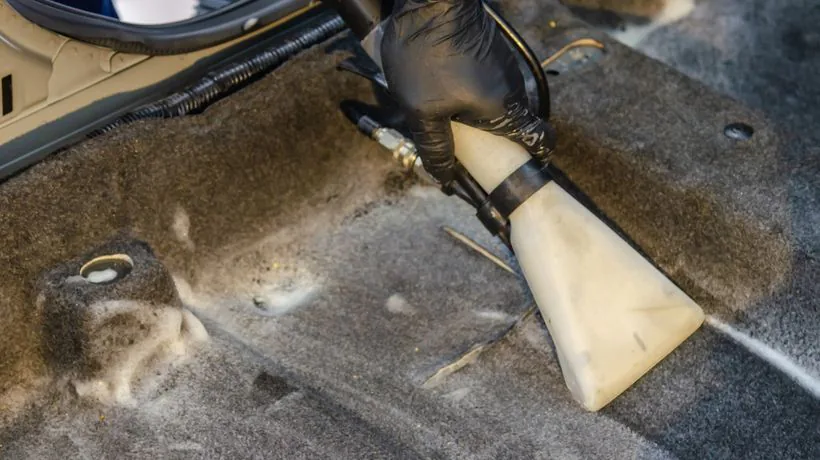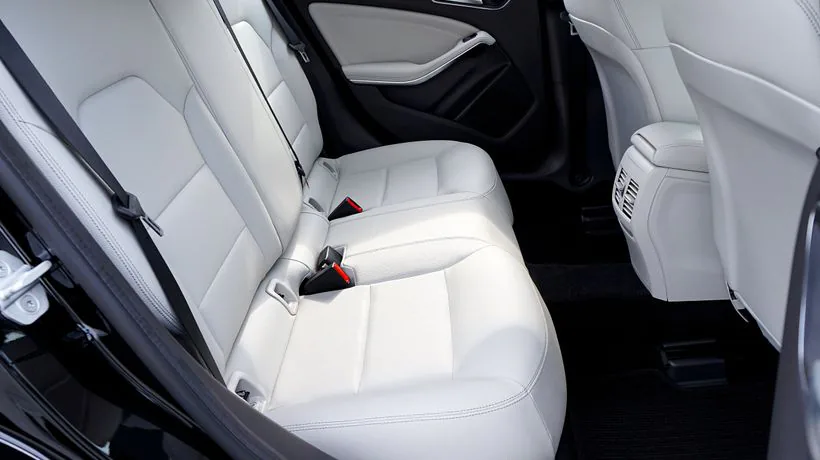
Car steam cleaning is a way of cleaning interiors, and some exterior areas, using hot water vapour instead of large amounts of liquid or strong chemicals. A steam machine heats water in a pressurised boiler and pushes it through a nozzle or brush, where the heat softens dirt, grease and sticky spills so they can be wiped or vacuumed away. It uses very little water, so fabric dries quickly. It is better than a basic wipe and vacuum for cleaning deep into seats and tight gaps, though it still needs skill to use on the right surfaces.
How does a steam cleaner actually work?
Inside the machine is a boiler that heats water well above its normal boiling point under pressure. When the trigger is pressed, the vapour leaves the nozzle at high speed and starts cooling immediately, so the surface temperature depends on the distance and the tool. Professional units usually produce what is called dry steam, meaning a low water content, which is why a seat can be cleaned without being soaked.
The steam does three jobs at once:
- Heat softens grease, body oils, dried drinks and sticky residue.
- Pressure blows loosened dirt out of seams, vents and switch gaps.
- Moisture lifts what has been loosened so a microfibre cloth or extraction tool can remove it.
Which parts of a car benefit most from steam?
- Fabric seats and carpets. Steam opens the fibres and loosens embedded grime, which is then extracted.
- Air vents. A narrow nozzle clears dust from louvres a cloth cannot get behind.
- Seat rails, runners and the gap between seat and centre console. Crumbs, sweets and coffee residue build up here.
- Cup holders, door pockets and the gear lever surround. Sticky spills soften quickly with heat.
- Rubber mats and pedal rubbers. Steam and a brush clean the grooves.
- Door shuts and wheel faces. Steam helps with greasy deposits in the parts of the exterior that a wash misses.
Steam also lifts the residue that causes many cabin smells, which is why it is our main tool for odour work on a professional steam cleaning visit.
Does steam kill bacteria and dust mites?
High temperature helps. Allergy UK notes that a high-temperature steam cleaner can kill house dust mites in carpets, and the same principle applies to car carpets and fabric seats. Heat also reduces bacteria on the surfaces it reaches long enough.
It is worth being precise about the limits. Steam reduces bacteria and mites; it does not remove every one, and anything it does not reach, such as deep inside the ventilation ducting, is unaffected. A cabin cleaned with steam is cleaner and fresher, not sterile, and a car used by children and pets will build up again over time.
Where should steam not be used?
- Touchscreens and instrument displays. Heat and moisture can damage coatings and get behind the glass. Use a dedicated screen cleaner instead.
- Airbag covers and steering wheel centres. Keep heat and moisture away from these panels.
- Headliners. The adhesive holding the roof lining can soften, so steam is used lightly, if at all, with a cloth over the nozzle.
- Leather. Brief, controlled passes with a cloth are fine on coated leather; holding steam on one spot can dry it out.
- Electrics and switch packs. Pressure can drive moisture into connectors.
Can I steam clean my own car?
Yes, with a household steam cleaner and patience. Vacuum first, work in small sections, keep the nozzle moving and wipe immediately with a clean microfibre. Do not saturate seats, and leave the doors open afterwards so moisture escapes. Small domestic units produce wetter steam with less pressure, so they are better on hard trim and mats than on deep fabric cleaning.
Treat the machine with respect. The NHS lists steam as a cause of scalds, and the vapour coming out of a car steamer is far hotter than a kettle's. Never point it at skin, wear gloves, and if a scald happens, cool it under running water for 20 minutes as NHS first aid advice recommends.
What does a professional steam clean involve?
On a visit we vacuum the whole interior, steam the hard surfaces and vents, then steam and extract the seats and carpets so the loosened dirt leaves the car rather than drying back in. Glass is finished separately with a streak-free cleaner. We bring our own water and power, so it works on a driveway or at a workplace, and there is no call-out fee. Steam cleaning starts from £60. If you are weighing it against a traditional wet shampoo, our comparison of steam cleaning and shampooing for interiors sets out the trade-offs, and our guide to steam and water use covers the environmental side. Customers in Nottinghamshire can book steam cleaning in Nottingham.
Sources
Want the deepest clean for your interior?
EMobile Valeting brings professional, fully insured mobile valeting to your door across Derby, Nottingham and the East Midlands. No call-out fee.
See Steam Cleaning Get a Free Quote