For a typical car, a good rhythm is an exterior wash every couple of weeks and a full interior and exterior valet every three to six months. That keeps the paint protected and the cabin from sliding into a state that needs a rescue job. The right interval for you depends on how the car is used. A low-mileage car kept in a garage can go longer. A family car with children and a dog in the back, or a car doing long motorway commutes, needs attention more often. Use the schedules below as a starting point and adjust to what you see.
What is a sensible baseline for most cars?
The AA advises washing a car at least every couple of weeks to stop road salt and other build-up damaging it, and suggests reapplying wax every couple of months rather than at every wash. That gives a simple baseline:
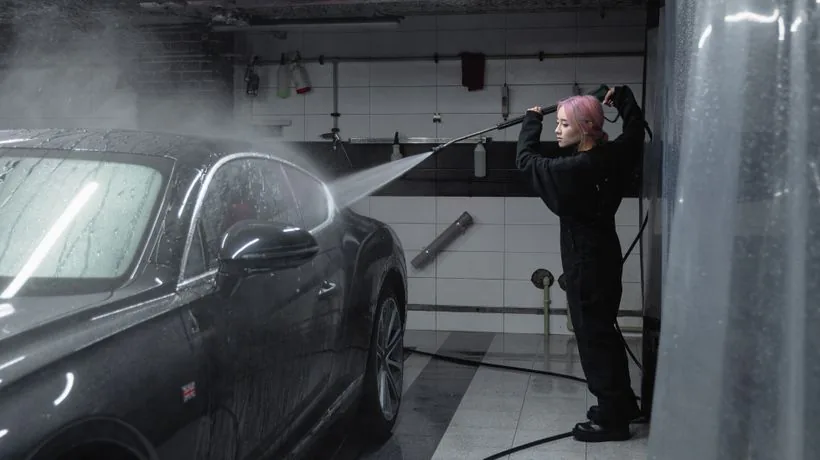
- Every 2 weeks: exterior wash, either at home with the right kit or our exterior wash from £30.
- Every 2 to 3 months: fresh wax on the paint.
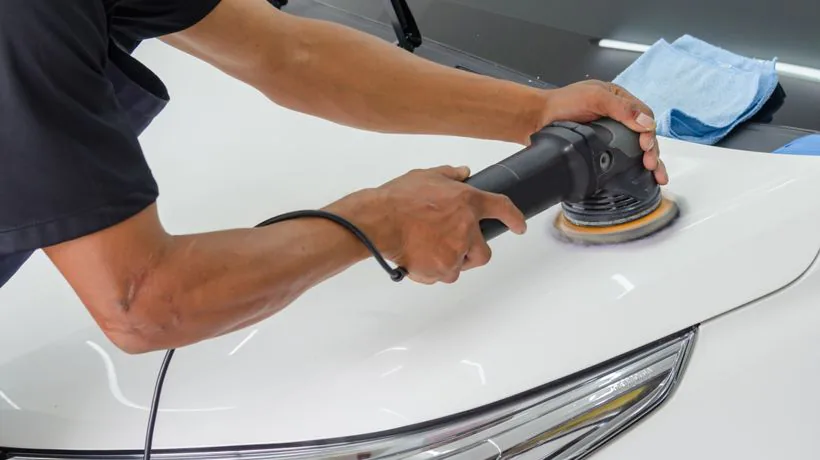
- Every 3 to 6 months: a full interior and exterior valet from £80, which includes a carnauba wax and so covers the waxing interval too.
How often should different drivers book a full valet?
- Low mileage, garaged, no passengers: every 6 months, with exterior washes when it looks dirty.
- Solo commuter: every 3 to 4 months, with fortnightly exterior washes.
- Family car with young children: every 6 to 8 weeks. Food, drink and mud work into seat rails and carpets quickly.
- Dog owners: every 4 to 8 weeks. Hair embeds in carpet and fabric and is far harder to remove once it has built up for months.
- High-mileage or motorway driver: every 2 to 3 months, with weekly or fortnightly exterior washes, because traffic film and brake dust build up fast.
- Vans and work vehicles: on a fixed schedule. Our fleet valeting starts from £25 per vehicle.
How do the seasons change the schedule?
Winter. Gritted roads coat the lower panels, wheels and arches in salty spray. Washing more often from November to March, including wheel arches and sills, is worth it. Visibility matters too: rule 229 of the Highway Code says you must be able to see, so clear all snow and ice from all windows, and you must ensure lights are clean and number plates are clearly visible. A salty film on the glass and lights works against that.
Spring and summer. Pollen, tree sap, insects and bird droppings are the main threats. Halfords notes bird droppings have a pH of about 3.5 to 4.5 and begin affecting paintwork almost immediately, so remove them within days, not weeks.
Autumn. Leaves block scuttles and drains and stain paint. A full valet before winter clears summer dirt and adds fresh protection.
What signs mean your car is due sooner?
- Water no longer beads on the paint after rain; the wax has worn away.
- The paint feels gritty when you run the back of a clean hand across it after washing.
- The inside of the windscreen smears or glares at night.
- You can see crumbs, grit or hair without looking for them.
- A musty or stale smell when you first open the door.
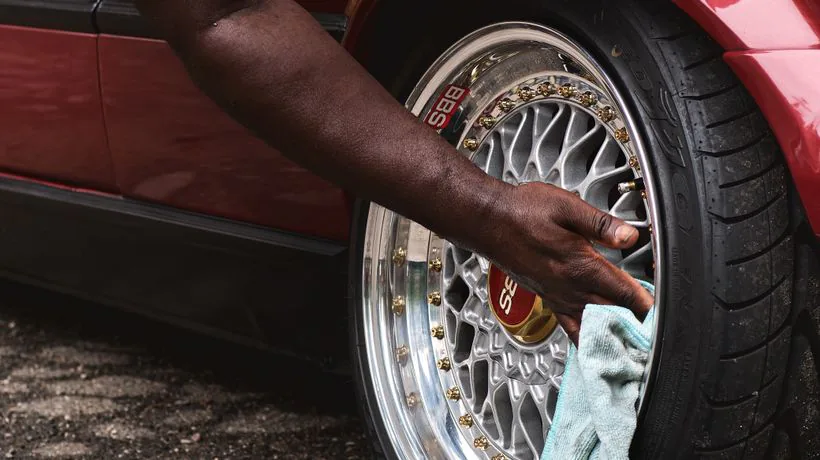
- Brake dust has turned wheels grey.
A musty smell is worth acting on quickly, because damp in carpets can lead to mould. That needs a specific treatment rather than a standard valet.
Is it possible to valet a car too often?
Washing carefully is not harmful, but poor technique repeated often is. Gritty sponges, brush washes and dry wiping cause swirl marks every time, so frequency only becomes a problem when the method is wrong. Our guide to protecting paint between valets covers safe habits. Inside, very frequent wet cleaning of fabric can leave carpets damp in cold weather; for routine maintenance, vacuuming and wiping hard surfaces is enough.
How does a regular schedule save money?
A car valeted every few months is quicker to clean, because dirt never gets a chance to bond. A car left for a year often needs extra time for pet hair, staining and baked-on traffic film, and the price reflects that. Booking a regular slot also means you do not have to remember. Results also fade at different speeds; read how long a car valet lasts to see what wears off first. Details of what is included are on our car valeting service page.
Sources
- The AA: How to wash your car
- GOV.UK: The Highway Code, rules 226 to 237: driving in adverse weather conditions
- Halfords: How to get bird poo off a car
- BVRLA: Fair wear and tear
Want valeting taken care of regularly?
EMobile Valeting brings professional, fully insured mobile valeting to your door across Derby, Nottingham and the East Midlands. No call-out fee.
See Car Valeting Get a Free Quote