To protect your paint between valets, keep the protective layer topped up and stop contaminants sitting on it. That means a gentle wash every week or two, removing bird droppings, sap and insects as soon as you see them, and refreshing the wax or sealant when water no longer beads. Park thoughtfully and avoid harsh brushes or household detergents. None of this takes long, and it means the finish a valeter leaves you with lasts much closer to the next visit instead of fading after a fortnight.
What actually wears paint down between visits?
Modern paint has a clear lacquer on top of the colour coat, and that lacquer is what you are protecting. It is worn by a handful of everyday things:
- Acidic deposits. Mazda's owner care guidance warns that bird droppings contain acids which can eat into the clear and colour coats, and that insects stuck to the paint form corrosive compounds as they decompose.
- Tree sap. The same guidance says sap hardens and bonds to the finish, and that scraping it off can take paint with it.
- Grit during washing. Dirt dragged across the panel by a sponge, brush or dirty mitt causes the fine swirls you see in low sun.
- Harsh cleaners. The RAC notes that household cleaning fluids or detergents can strip wax and dull the paint.
Rain and sunshine matter too, but mostly because they bake or spread whatever is already on the surface.
How should you wash the car between valets?
A careful maintenance wash every week or two in winter, and every two to three weeks in a dry summer, keeps grime from building up. Follow this order:
- Pick a cool, shaded spot. Nissan's owner's manual says not to wash in direct sunlight or while the body is hot, as the paint may become water spotted.
- Do the wheels first with separate brushes, so brake dust is not splashed onto clean panels.
- Rinse the whole car to float off loose grit before anything touches it.
- Use two buckets: one of car shampoo and one of plain water to rinse the mitt after each panel.
- Work from the roof down, leaving the sills and lower bumpers, the dirtiest areas, until last.
- Rinse and dry with a clean microfibre drying towel, patting or gliding rather than rubbing.
Avoid automatic brush washes if you can. The brushes have cleaned hundreds of dirty cars before yours.
How do you deal with spots and marks as they happen?
Speed matters more than technique here. Nissan advises removing tar, insects, industrial dust and tree sap as quickly as possible to avoid lasting damage or staining. Keep a small kit in the boot: a bottle of quick detailer spray and two or three clean microfibre cloths.
- Spray the mark generously and let it soak for a minute to soften.
- Lift it off with a folded cloth in one direction, turning to a clean face each pass.
- Never scratch at a dried deposit with a fingernail or a paper towel.
Our guide to removing bird droppings from paintwork covers the stubborn cases, including what to do if a mark has already left a dull etch.
When should you top up wax or sealant?
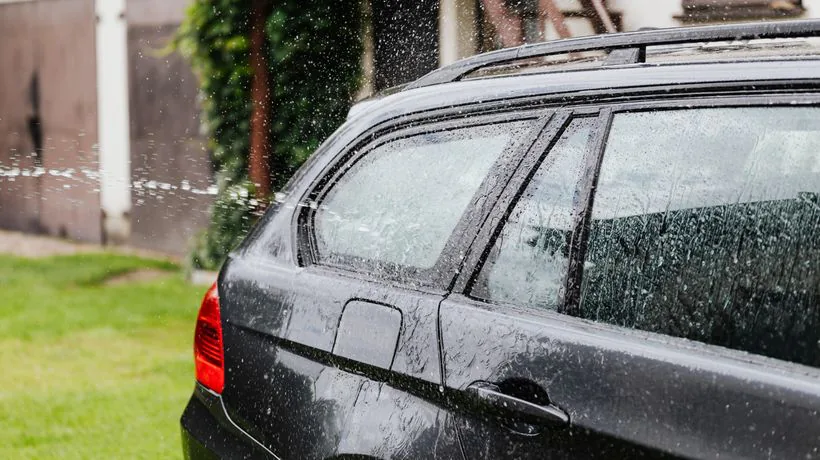
Watch the water. On a protected panel, rain forms tight round beads and runs off quickly. When it starts to sit in flat sheets or blotches, the layer is wearing thin and it is time to top it up.
- Spray sealants and quick detailers can be used after each wash and add a short boost of slickness and shine. Read more in what a quick detailer does.
- Paste or liquid wax takes longer to apply but gives a deeper layer, usually lasting a few weeks to a couple of months on a daily driver.
Nissan's manual says regular waxing protects the paint surface, and warns against waxes containing abrasives, cutting compounds or cleaners. Always wash and dry the car fully first so you are not sealing dirt in.
Does where you park make a difference?
It makes a large difference. A few small changes cut the amount of cleaning you need to do:
- Avoid parking under trees in spring and summer, when sap, pollen and birds are most active.
- Use a garage or car port if you have one, especially in winter when salty spray dries on the paint.
- Leave space from walls, bins and hedges to avoid brushing scratches.
- If you use a car cover, only fit it on a clean, dry car, as a cover over grit acts like sandpaper in the wind.
In winter, rinse salt off the lower panels and wheel arches after gritted roads, even if you do not have time for a full wash.
When is it time to call a professional?
Home care slows wear but cannot reverse it. Book a professional visit when:
- The paint feels rough to the touch after washing, which means bonded contamination needs a decontamination stage.
- Water no longer beads even straight after you have applied wax.
- Swirls, haze or dull patches are visible in sunlight.
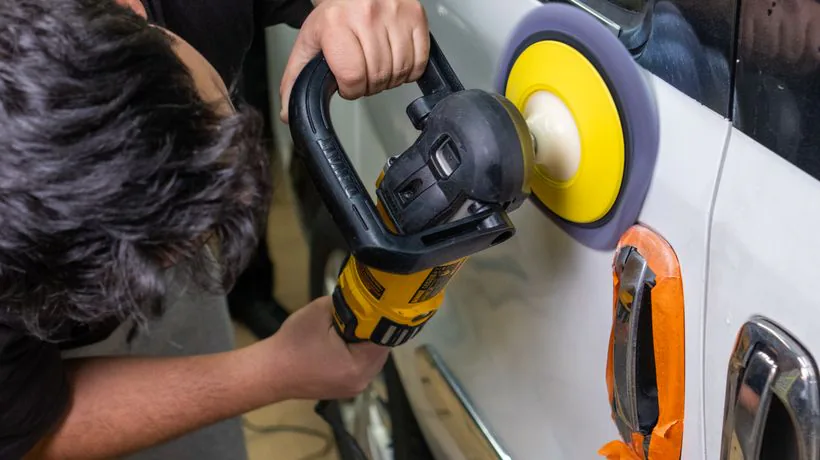
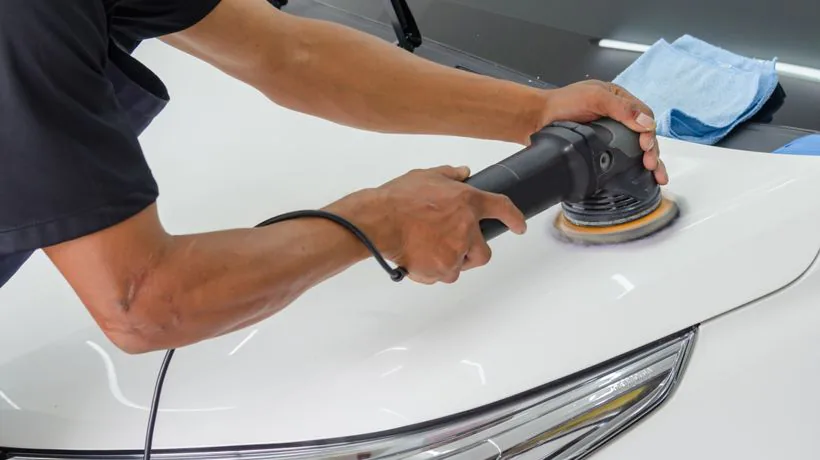
Our mobile car valeting service starts with an exterior wash from £30, and a full interior and exterior valet from £80. Where the paint needs more, premium detailing (paint correction and protection) starts from £150 and finishes with a fresh wax or sealant layer. We bring our own water and power, so it can be done on your drive or at work. Drivers in the city can book through our car valeting in Derby page.
Sources
- RAC Drive: How to wash your car
- Nissan UK: Qashqai owner's manual, Waxing
- Nissan UK: Qashqai owner's manual, Washing
- Mazda: Owner's manual, Exterior care
Paint looking dull or swirled?
EMobile Valeting brings professional, fully insured mobile valeting to your door across Derby, Nottingham and the East Midlands. No call-out fee.
See Car Valeting Get a Free Quote