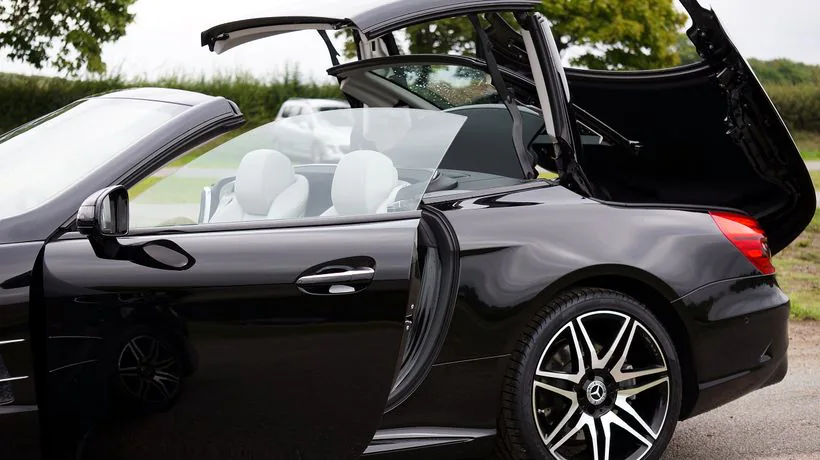
To clean car door seals, wipe away loose grit, wash the rubber with diluted car shampoo using a soft brush and a damp microfibre cloth, rinse, dry thoroughly, then apply a rubber conditioner made for vehicle seals. Do the door seal on the body and the matching strip on the door itself, plus the boot and window rubbers. Clean, conditioned seals close more quietly, are less likely to freeze shut in winter, and last longer. Seals that are already split or squashed flat should be replaced, as cleaning will not stop them leaking.
Why do door seals need cleaning at all?
Every time a door shuts, the seal is pressed against the frame. Grit, road salt and dust caught between them act like sandpaper, wearing the rubber's surface and leaving it rough and porous. Over time it hardens, cracks and stops sealing.
The AA points out that rubber seals around doors, windows and the boot deteriorate over time and leave gaps where water can enter, and it links loose or damaged seals to condensation and mould inside the car. Wind noise, a draught or wet carpet after rain are the warning signs it lists. Keeping seals clean and supple is a cheap way to delay that.
What do you need to clean car rubber?
- a bucket of warm water with a little pH neutral car shampoo;
- a soft detailing brush or an old soft toothbrush for grooves;
- two or three clean microfibre cloths;
- a rubber seal conditioner, water-based or silicone-based, made for vehicles;
- a foam or microfibre applicator pad.
Avoid solvent cleaners, degreasers at full strength, and anything petroleum-based such as general-purpose oil sprays or petroleum jelly. They can make some rubbers swell, go soft or break down faster.
How do you clean and condition door seals, step by step?
- Open the door fully and wipe along the seal with a dry microfibre to remove loose grit, so you do not grind it in.
- Wash. Dip the brush in the shampoo solution and work along the seal in short sections, getting into each groove and the lip that touches the frame.
- Wipe clean with a damp microfibre, rinsing it often. You will be surprised how much black residue comes off.
- Do the frame too. Clean the painted door shut and sill where the seal sits, as dirt there grinds straight back into fresh rubber.
- Dry completely with a clean cloth.
- Condition. Apply a small amount of rubber conditioner to an applicator and work it evenly into the seal. Leave it for a few minutes, then buff off any excess so it does not transfer to clothing.
- Repeat for every door, the boot or tailgate seal, the sunroof seal and the window channel rubbers.
How often should seals be cleaned and treated?
Clean them whenever you wash the car or valet the interior, as a quick wipe takes seconds once they are in good condition. Condition them every two to three months, and always before winter.
Autumn is the most important treatment of the year. A conditioned seal is far less likely to freeze to the frame on a frosty morning, which saves you yanking the door and tearing the rubber. If a door does freeze, the RAC advises using a de-icer spray rather than hot water; it notes that a high-quality spray will not damage paintwork, rubber or plastics. Our guide on de-icing your car safely covers the rest of the winter routine.
In summer, conditioner stops seals sticking to hot frames and squeaking.
When does a seal need replacing rather than cleaning?
Cleaning and conditioning only help healthy rubber. Book a garage or dealer if you see:
- splits, tears or chunks missing;
- sections that are flattened and no longer spring back;
- a seal pulling away from its channel;
- wind noise at speed or a draught you can feel;
- water on the carpets or sill after rain.
A quick test is to shut the door on a strip of paper at several points. If the paper slides out with no grip, the seal is not sealing there. Leaks lead to damp smells and mould, and our guide on finding where water is getting into a car explains the other places to look.
Are seals included in a professional valet?
On our full interior and exterior valet, from £80, door shuts and seals are cleaned as part of the job, and we dress rubber where it needs it. If we spot a seal that is split or perished while we work, we point it out so you can have it checked. Convertible owners have extra seals around the hood; our convertible roof treatment, from £50, includes dressing them.
Sources
- The AA: Why is my car leaking water?
- AA: Rust, mould and scratch car body maintenance
- RAC: How to de-ice your car
Noisy or sticking doors?
EMobile Valeting brings professional, fully insured mobile valeting to your door across Derby, Nottingham and the East Midlands. No call-out fee.
See Car Valeting Get a Free Quote