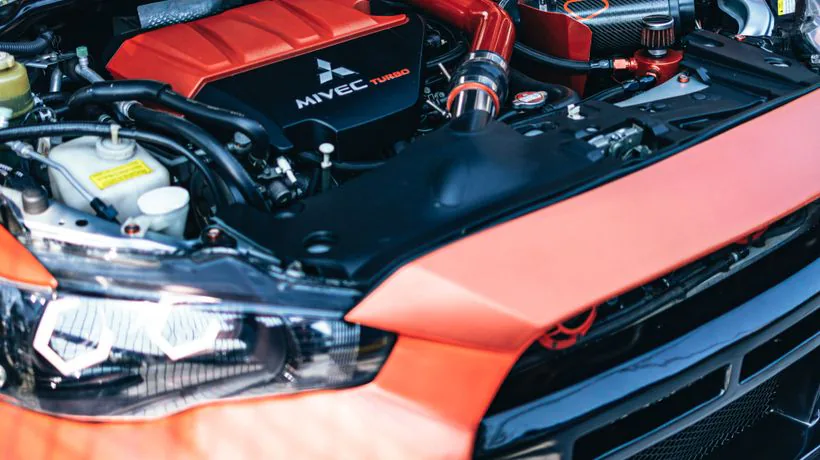
To clean an engine bay safely, protect the sensitive electrics first, use a degreaser with controlled steam rather than a high-pressure washer, and dry everything thoroughly afterwards. The big risk is forcing water into connectors and electronics, which can cause running faults. Done carefully it is safe and makes leaks easy to spot, but if you are unsure, a professional engine bay clean removes the risk entirely.
Is it safe to clean an engine bay?
Yes, when it is done with the right technique. Modern engine bays are full of electrical connectors, sensors and control units, so the danger is not water in general but water blasted into the wrong places. Avoid high-pressure jets, keep things controlled, and an engine bay clean is perfectly safe and well worth doing.
Protect the electrics first
Before any cleaning, let the engine cool, disconnect nothing unless you know what you are doing, and cover the vulnerable parts. Use plastic bags or covers over the alternator, fuse box, air intake, exposed connectors and the battery terminals. This single step prevents the vast majority of problems people have after cleaning an engine bay.
Degrease, then use controlled steam
Apply a suitable engine degreaser to the grime and let it dwell, then lift it away with controlled, low-pressure steam or a gentle rinse rather than a pressure washer. Steam is the safest method because it applies targeted heat to break down grease without forcing water deep into components, which is exactly why we use it on every job.
Dry thoroughly and dress the plastics
Once clean, blow or wipe away standing water, paying attention to spark plug recesses and connector tops, then let the bay air-dry or run the engine briefly to evaporate moisture. Finish by dressing the plastic and rubber with a suitable trim dressing for a clean, refreshed look that also helps protect against cracking.
When to leave it to a professional
If your engine bay is heavily caked, has exposed electronics, or you simply do not want to risk it, professional cleaning is the safe choice. We use controlled steam degreasing that is safe around electrics and delivers a showroom finish, which also helps before an MOT or sale. We cover Derby and the East Midlands.
Want a safe, professional engine bay clean?
EMobile Valeting brings professional, fully insured mobile valeting to your door across Derby, Nottingham and the East Midlands. No call-out fee.
See Engine Bay Clean Get a Free Quote