
To clean a seatbelt safely, pull it fully out, clamp it so it cannot retract, wipe it with a sponge dampened in a mild soap solution, then let it dry completely before releasing it. That is what manufacturers such as Nissan and Mazda advise in their owner's manuals. The webbing is a safety part designed to stretch and hold in a crash, so harsh chemicals and scrubbing are off the table. This guide covers the full method, stubborn stains, mould and the signs a belt needs replacing rather than cleaning.
What do car manufacturers say about cleaning seatbelts?
Owner's manuals are consistent on this. Nissan's manual says belts can be cleaned by wiping them with a sponge dampened in a mild soap solution, and that they should dry completely in the shade before use. It also warns not to let wet belts roll up into the retractor.
Mazda's appearance care instructions say to use a mild soap solution recommended for upholstery or carpets, not to bleach or dye the webbing because that may weaken it, and to dry the webbing fully before retracting the belt. Check your own handbook, because some makers add details for particular trims.
How do you clean a seatbelt step by step?
You need a bulldog clip or a soft-jawed clamp, a bowl of warm water with a few drops of mild soap or a diluted upholstery cleaner, a soft brush, a sponge and two microfibre cloths.
- Pull the belt out to its full length and clamp it at the slot by the pillar, so it cannot wind back. Put a towel over the seat beneath.
- Vacuum the webbing on both sides with a brush attachment to lift crumbs and grit.
- Wipe with the damp sponge, working down the length of the belt. Do one side, then the other.
- Brush marks lightly with the soft brush along the weave, not across it, to avoid fluffing the fibres.
- Blot with a clean, damp cloth to remove soap residue, then press with a dry cloth to take out as much water as you can.
- Leave it clamped to dry with the doors open, out of direct sun, until it is dry right through.
- Wipe the buckle and tongue with a barely damp cloth. Do not pour or spray liquid into the buckle.
What should you never use on seatbelt webbing?
Some common cleaning shortcuts can damage a belt in ways you cannot see:
- Bleach and dye: Mazda warns these may weaken the webbing.
- Solvents and degreasers: they can attack the fibres and the coatings on the weave.
- Washing machines: belts are fixed to the car and removing them is a job for a garage.
- Hard scrubbing and stiff brushes: they raise and break fibres, leaving a fluffy edge.
- Soaking: water runs into the retractor and pillar trim and takes a long time to dry.
- Hot air guns: concentrated heat can harm synthetic fibres.
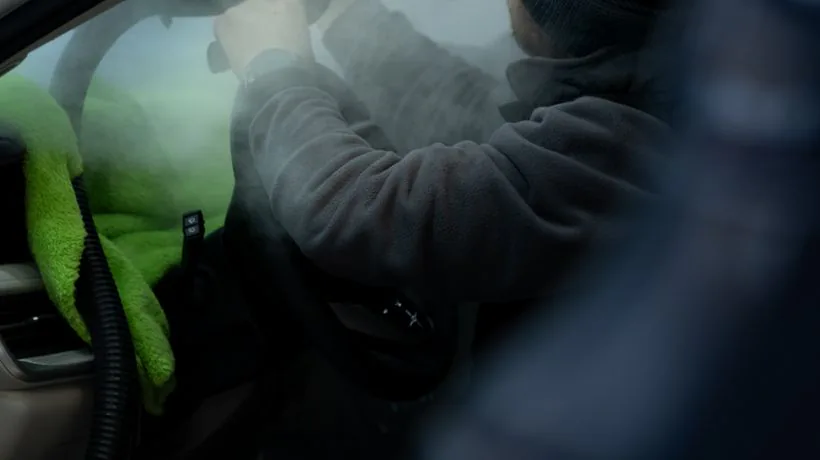
A professional steam clean uses very little water and lifts grime from the surface, which suits belts as long as the heat keeps moving and the belt dries fully clamped out.
How do you remove sticky marks, makeup or mould from a belt?
Stubborn marks need patience, not stronger chemicals.
- Sticky drinks and sweets: repeat the soapy wipe two or three times, letting the solution sit for a minute each time.
- Makeup and sun cream: a little more soap in the solution and gentle brushing along the weave usually shifts them.
- Grey or black mould spots: these show the car has a damp problem. Clean the belt with mild soap, dry it fully and find the source of the moisture, or the spots will come back. Mould can aggravate allergies and asthma; see a GP for symptoms.
If a belt still looks stained after careful cleaning, accept it. A slightly marked belt is safe; a weakened one is not. For mould across the seats as well, our guide to removing mould from car seats explains where to stop and call a professional.
When does a seatbelt need replacing rather than cleaning?
Cleaning will not fix damage, and some damage is an MOT failure. The MOT inspection manual tells testers to check webbing for cuts, damage, fluffing, fraying and evidence of overstretching. A belt significantly stretched, damaged or weakened is a major defect, as is a retractor not working as intended or a buckle not working properly.
Take the car to a garage if you notice:
- cuts, frayed edges or a fluffy, worn section
- a belt that retracts slowly or not at all, even when dry
- a buckle that will not latch or release cleanly
- discoloured, stiff webbing that might have had chemicals on it
Should seatbelts be part of a professional valet?
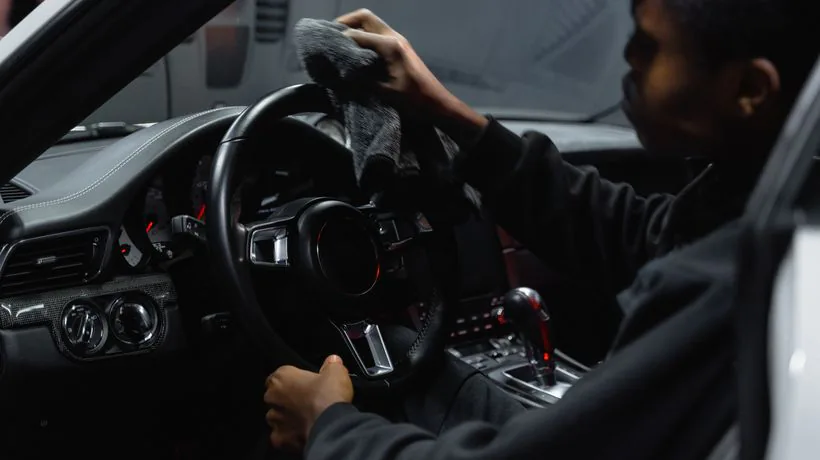
They should, because belts are one of the most touched parts of the cabin and are easy to forget. On our interior work we clamp belts out, clean them with a mild solution and allow them to dry before release, alongside seats and trims. Belts get attention as part of our full interior and exterior valet, from £80, and our interior steam cleaning, from £60. If you are tackling the whole interior yourself, our guide to cleaning car upholstery at home covers the seats.
Sources
- Nissan UK: 2025 Nissan Juke owner's manual, Seat belts
- Mazda: CX-3 owner's manual, Appearance Care
- GOV.UK: MOT inspection manual, 7. Other equipment
Grubby seatbelts letting the car down?
EMobile Valeting brings professional, fully insured mobile valeting to your door across Derby, Nottingham and the East Midlands. No call-out fee.
See Car Valeting Get a Free Quote