
To protect your car from road salt, rinse it off the parts it clings to, and do it often while councils are gritting. That means the underside, wheel arches, sills, the backs of the wheels and the lower edges of doors and the engine bay, not just the paint you can see. Salt mixed with water speeds up rust on bare or chipped metal, and it lingers for weeks in crevices. Below we explain where it collects, how to remove it without causing new damage, and what protection actually helps.
Why is road salt so hard on cars?
Salt lowers the freezing point of water, which is why highway teams spread it. The same brine is very good at carrying corrosion into exposed metal. The RAC describes winter road salt as especially corrosive and notes that corrosion has historically been a leading killer of older cars.
Modern cars are far better protected from the factory, but stone chips, scraped sills, worn underseal and exposed brake lines are all weak points. Salt also dries into a white crust on alloy wheels and plastic trim, which can stain if left on through a long cold spell.
How much salt is on Derbyshire roads?
Quite a lot, and for months at a time. Derby City Council says it grits 272km of its network, about 35% of the city's roads, using rock salt coated in molasses so it sticks to the surface. Derbyshire County Council says it treats around half of the adopted roads and pavements in the county, with primary routes treated day and night during the winter period.
If you commute on main roads, you are driving on salted tarmac most mornings from late autumn to early spring, and following traffic throws that brine up into every gap under your car.
Where does salt build up on a car?
- Wheel arches and arch liners, especially the lip where mud and grit pack in.
- Sills and the bottom edges of doors, including the drain holes that let water out.
- The underbody: subframes, suspension arms, exhaust, fuel and brake lines.
- Brake calipers and the inner faces of alloy wheels.
- The lower engine bay and the front of the radiator, which take spray from the front wheels.
- Tow bars and number plate recesses at the back.
These areas stay damp longest, which is exactly what corrosion needs.
How do you rinse salt off safely?
- Choose a mild day. Work when water will not freeze on the car or in the seals.
- Rinse the underside first. Use a hose or a pressure washer on a wide fan, held well back, and aim into the arches, along the sills and under the bumpers. An underbody lance makes this much easier if you own one.
- Pre wash the lower panels. A snow foam or traffic film remover loosens salty grime so you are not dragging grit across the paint.
- Clean the wheels inside and out, including the calipers you can reach.
- Wash the paint top down with clean mitts, then rinse again.
- Dry and open the doors so trapped water can escape from the sills and seals.
Never wipe a salty panel with a dry cloth; the crystals act like fine grit and will mark the paint.
Should you clean salt out of the engine bay?
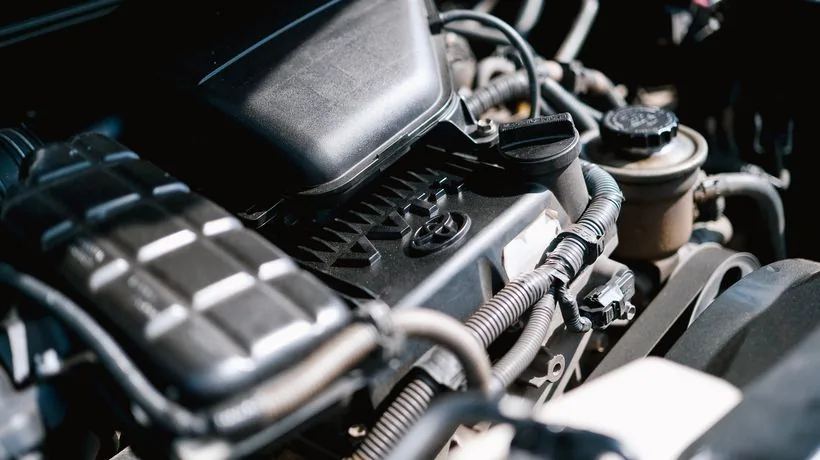
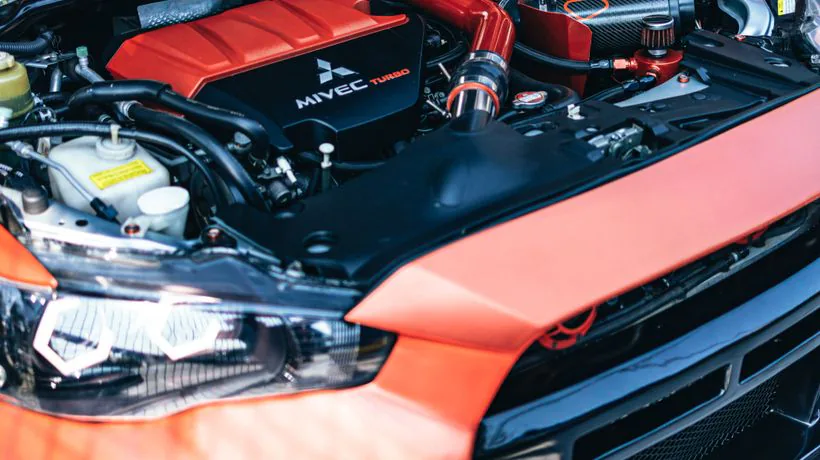
A gentle clean of the lower engine bay at the end of winter is worthwhile, because salt spray dries on brackets, hose clips and the front crossmember. Keep it gentle: cover the air intake, alternator and exposed electrical connectors, use a degreaser and soft brushes, and rinse lightly rather than blasting.
Be especially careful on hybrids and electric cars. The Health and Safety Executive says high voltage cables are usually coloured orange and warns that pressure washing can damage high voltage components and cables, advising that manufacturer guidance is checked before valeting underbody areas or the engine bay. Do not spray, scrub or pull on orange cabling or the components it connects to. Our engine bay cleaning service starts from £40 and works with that caution in mind, and our guide on cleaning an engine bay safely covers the full DIY method.
What protection actually helps against salt?
Protection buys time and makes cleaning easier. It is not a force field.
- Wax or paint sealant applied in autumn makes the paint slick, so salt film rinses off rather than bonding.
- Wheel protection on clean alloys helps brake dust and salt rinse away.
- Touching in stone chips before winter keeps salt water away from bare metal.
- Underbody protection such as cavity wax or underseal is specialist garage work; ask a body shop if your car is older or the underside is showing surface rust.
- Keeping drain holes clear in doors and sills lets salty water escape.
For the wider cold weather routine, including glass and the cabin, see our winter car care tips for Derbyshire.
Sources
- Derby City Council: Gritting
- Derbyshire County Council: Gritting
- RAC: Best ways to make your car last longer
- HSE: Electric and hybrid vehicles
Want the winter salt cleared off?
EMobile Valeting brings professional, fully insured mobile valeting to your door across Derby, Nottingham and the East Midlands. No call-out fee.
Book a Winter Valet Get a Free Quote