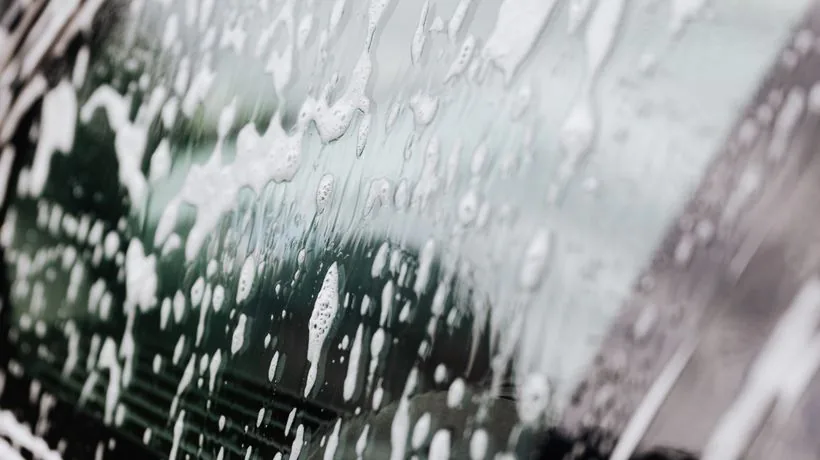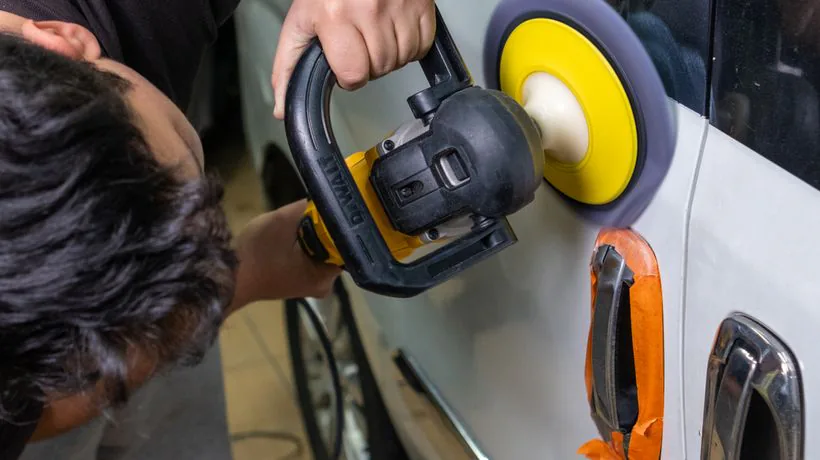
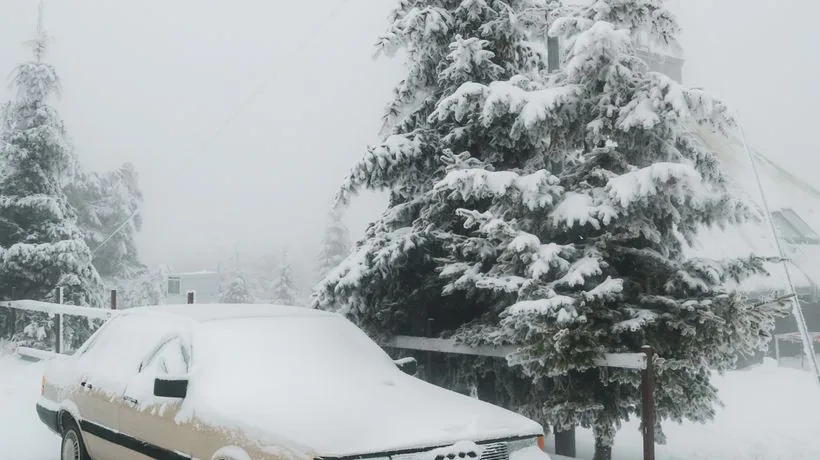
The best winter routine for a Derbyshire car is simple: protect the paint before the gritters come out, rinse off road grime regularly whenever the temperature allows, keep every window, light and number plate clear, and stop water from building up inside. Cars here deal with a lot in the cold months, from salted A roads around Derby to wet, muddy lanes in the Peak District. This guide sets out what to do before winter, what to do each week, how to cope with frost and snow, and when a professional valet makes more sense than another freezing session on the drive.
What should you do before winter starts?
October and November are the time to get ahead. Once the weather turns, drying a car properly becomes hard, and products need dry, mild conditions to bond.
- Give the car a deep clean. Wash, then remove bonded contamination so the paint is smooth.
- Add protection. A coat of wax or a paint sealant makes the surface slick, so road film and salt spray have less to grip and wash off more readily.
- Treat the glass. Clean the inside of the windscreen to remove the greasy film that causes glare and misting, and consider a water repellent on the outside.
- Check wipers and washers. Replace split or juddering blades and fill up with a winter screenwash rated for low temperatures.
- Swap the mats. Rubber or all weather mats trap snow melt and mud before it soaks into the carpet.
Our full valet service covers this kind of pre winter reset, including a wax or sealant finish, from £80.
How often should you wash your car in a Derbyshire winter?
Aim for a rinse or wash every one to two weeks while the roads are being treated, and sooner after a run on heavily gritted routes. Derby City Council says it treats its primary routes with rock salt coated in molasses, which helps it stick to the road surface. That is good for grip and not so good for your sills, arches and underside, where the mixture collects.
Pick a mild, dry spell, ideally above about 4°C, so water does not freeze on the panels, in the door seals or in the locks. Start with the lower areas: wheels, arches and sills carry the most grime. Rinse well before any mitt touches the paint, then wash top down with the two bucket method and dry with a soft towel. Leave the doors open for a few minutes so the seals can dry. If you want detail on the corrosion side, our guide on protecting your car from road salt covers underbody and arch care specifically.
How do you deal with frost, ice and snow safely?
Rule 229 of the Highway Code says you must clear all snow and ice from all your windows, and that lights must be clean and number plates clearly visible before you set off. It also asks drivers to remove snow that might fall into the path of other road users, which in practice means brushing the roof and bonnet too.
- Use a plastic scraper and a de-icer spray. Never pour hot water on the glass; the AA warns it can damage the windscreen.
- Run the heater on the windscreen setting with the air conditioning on, which dries the air and clears misting faster.
- Stay with the car while it warms up. The AA points out that cars left running unattended are a target for thieves.
- Brush snow off with a soft snow brush, not the edge of a scraper, to avoid scratching the paint.
Remember the stakes: the Highway Code says stopping distances on icy roads can be ten times greater than on dry ones, so clear glass matters.
How do you keep the inside of the car dry and fresh in winter?
Wet boots, damp coats and short journeys put a lot of moisture into a cabin, and that moisture shows up as misted glass, a musty smell and, left long enough, mould spots on seats and seatbelts.
- Shake out and dry rubber mats regularly, and lift carpet mats to let the floor breathe.
- Avoid leaving wet umbrellas, coats or gym kit in the car overnight.
- Run the air conditioning for a few minutes on most journeys; it removes moisture from the air.
- Check door seals and the boot floor for standing water after heavy rain.
If damp has already taken hold, our article on reducing condensation inside your car explains the daily habits that help most.
What about lights, wipers and visibility on dark Peak District lanes?
Winter means more driving in the dark on roads that are often unlit and spray covered. A thin layer of road film on a headlight lens noticeably cuts the light reaching the road, and a dirty rear light is harder for following drivers to see.
Wipe the headlights, rear lights and number plates every time you fuel up, and clean the inside of the windscreen every couple of weeks. Keep the washer bottle full; you can get through a lot of fluid on a single wet motorway run. If the wipers smear after a clean, the blades are worn and should be replaced.
When is it worth booking a professional valet in winter?
Washing a car properly in January is cold, slow work, and it is easy to rush the drying and leave water in the seals. A mobile valeter brings the water and power, works at your home or workplace, and can tackle the jobs most people put off, like deep cleaning salt stained carpets and dressing rubber seals.
Good times to book are late autumn to protect the paint, mid winter after a long cold snap, and early spring to remove the season's grime before it does lasting harm. An exterior wash starts from £30, and a full interior and exterior valet starts from £80. We cover Derby and the surrounding towns Monday to Saturday, 9am to 5pm; see our car valeting in Derby page for the area we cover.
Sources
- GOV.UK: The Highway Code, driving in adverse weather conditions (226 to 237)
- The AA: How to defrost a car windscreen
- Derby City Council: Gritting
Want your car winter-ready?
EMobile Valeting brings professional, fully insured mobile valeting to your door across Derby, Nottingham and the East Midlands. No call-out fee.
Book a Winter Valet Get a Free Quote