Yes, in almost every case. Snow foam is designed as a pre-wash: it softens and carries away loose dirt and grit so that the contact wash which follows is safer. It does not usually remove the thin, greasy road film that bonds to paint, which is why a car can look clean when wet after foaming yet dull and grubby once dry. The exception is a lightly dusty car with good protection on it, where a foam and rinse can tide you over. Below is why, and a routine to follow.
Why does foam alone leave the car dirty?
Dirt on a car comes in two layers. The top layer is loose: dust, sand, grit and mud splashes. Underneath is road film, a mix of oily exhaust residue, tyre wear and fine grime that is held on the surface and does not simply rinse off.
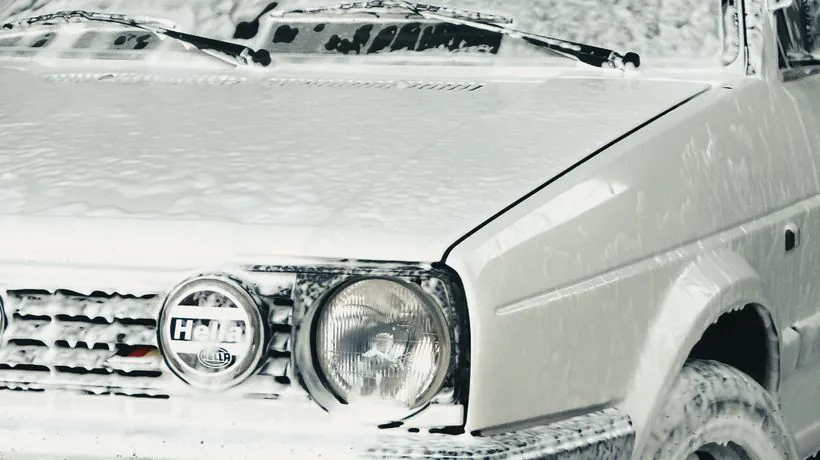
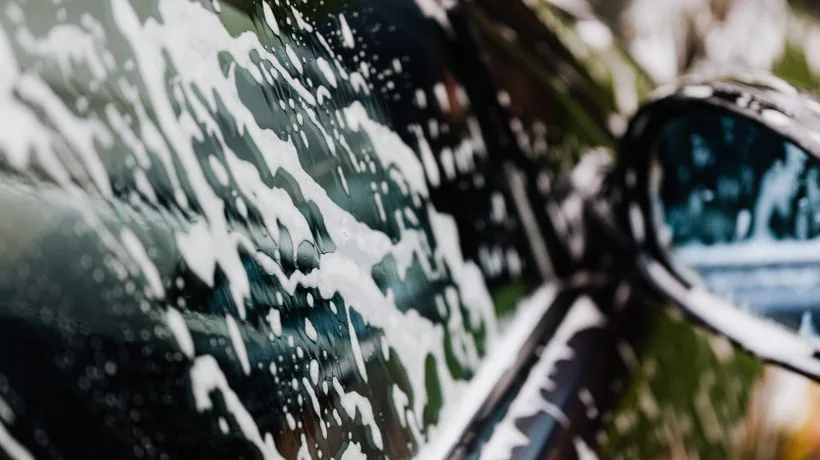
Snow foam is very good at the top layer. It clings to the panels, loosens grit and carries a good share of it away when rinsed. The bonded film needs gentle agitation to shift, which is the job of a wash mitt and shampoo. A quick test after foaming and rinsing is to let a panel dry, then wipe a clean white microfibre across the lower door. If it comes away grey, the film is still there.
Autoglym describes its own Polar Blast foam in exactly these terms: a pre-wash used before your usual shampoo to loosen heavy dirt and reduce the risk of scratching.
When is a foam and rinse enough on its own?
A touchless foam and rinse makes sense in a few situations:
- The car was properly washed recently and has only picked up light dust or pollen.
- The paint has a fresh wax or sealant, so little sticks to it.
- You want to rinse salt off between full washes in winter without touching the paint.
- It is too cold or too late in the day for a full wash.
It will not shift bird droppings, bug splatter, tar spots or tree sap, and it will not lift the grey film that builds up on lower panels over a couple of weeks of driving.
What is a good routine that combines foam and a contact wash?
- Start cool. Panels and wheels should be cool to the touch and out of direct sun.
- Wheels first. Clean wheels and tyres with their own brushes so brake dust never reaches your wash mitt.
- Rinse. Knock off the loose dirt with a hose or pressure washer, keeping the lance a sensible distance from plastic trim.
- Foam. Cover the car, letting it dwell while it works. Autoglym's directions for its foam say up to 10 minutes, but never allow it to dry on.
- Rinse again, paying attention to grilles, badges and panel gaps where grit collects.
- Contact wash from the top down with a clean microfibre mitt and the two-bucket method, rinsing each section as you go.
- Dry with a large plush towel. Our guide on drying your car without scratches covers technique.
The AA gives the same top-down advice for the wash itself, so that dirty water does not run onto panels you have already cleaned.
How should the routine change with the seasons?
Winter: salt and grime build up fast on sills, arches and the rear of the car. Foam and rinse these areas thoroughly before contact, and consider a mid-week foam and rinse to keep salt off. Avoid washing when temperatures are near freezing, as water can freeze in locks and seals.
Spring: pollen and sap arrive. A foam and rinse handles pollen, but sap needs a dedicated remover.
Summer: foam dries quickly in warm air, so work in smaller sections, wash early or late in the day, and rinse sooner. Bug splatter benefits from a longer soak, but the foam must stay wet.
Autumn: leaves trap moisture and stain paint, so clear them from scuttle panels and drains before you foam.
Which mistakes make snow foam less useful?
- Letting foam dry on hot panels, which can leave marks that are harder to remove than the original dirt.
- Mixing the foam too thin to save product, so it slides off in seconds.
- Skipping the rinse after the foam and going straight in with a mitt, which drags the loosened grit around.
- Expecting thick, shaving-foam texture to mean better cleaning. Cling time matters more than how it looks.
- Reaching for a strong alkaline pre-wash every time, when a pH-neutral foam does the routine job and is kinder to wax and sealant.
For the chemistry behind why foam lifts dirt in the first place, read what snow foam is and how it works.
What does a professional wash include?
Every exterior wash we carry out includes a pre-wash stage before any mitt touches the paint, followed by a careful contact wash and hand drying. On a full car valet we finish the paint with a wax or sealant, which helps future foam and rinse washes work better because dirt bonds less easily. An exterior wash starts from £30 and a full interior and exterior valet from £80.
Sources
Want a wash that protects your paint?
EMobile Valeting brings professional, fully insured mobile valeting to your door across Derby, Nottingham and the East Midlands. No call-out fee.
See Car Valeting Get a Free Quote