Valeting an electric or hybrid car is mostly the same as valeting any other car: the paint, wheels, glass and cabin need the same careful methods. The differences are about the high voltage system. Hybrids and EVs carry orange high voltage cabling and components that must not be pressure washed, scrubbed or disturbed, and the charge port needs care around water. There are also practical quirks, such as cars that move silently, wipers that trigger automatically and large screens. This guide explains what changes and what does not.
What stays the same when valeting an EV or hybrid?
Almost everything you can see. The paint is the same kind of clear coat and benefits from the same safe wash: pre wash, two bucket contact wash, soft drying and a wax or sealant finish. Alloy wheels, glass, door shuts and rubber seals are treated in the same way. Inside, carpets, seats, headliners and plastics are cleaned with the same products and methods.
That is why our car valeting service applies to electric and hybrid cars too, with a full interior and exterior valet from £80.
Why does the high voltage system matter for cleaning?
The Health and Safety Executive explains that electric and hybrid vehicles contain high voltage components and cabling capable of delivering a fatal electric shock, with systems currently running at up to 650 volts DC, compared with 12 or 24 volts in conventional vehicles. It notes that high voltage cables are usually coloured orange and that some components can retain a dangerous voltage even when the vehicle is switched off.
For valeting, HSE makes two specific points: pressure washing has the potential to damage high voltage electrical components and cables, and manufacturer guidance should be checked before valeting underbody areas, including the engine bay. Kia's plug in hybrid manual similarly states that high voltage components are orange and that owners should not touch high voltage cables and connectors.
How do you wash an electric car safely?
- Check the handbook first. Many EVs have a car wash or valet mode that disables automatic wipers, folds mirrors or stops the car creeping. Use it if the handbook recommends it.
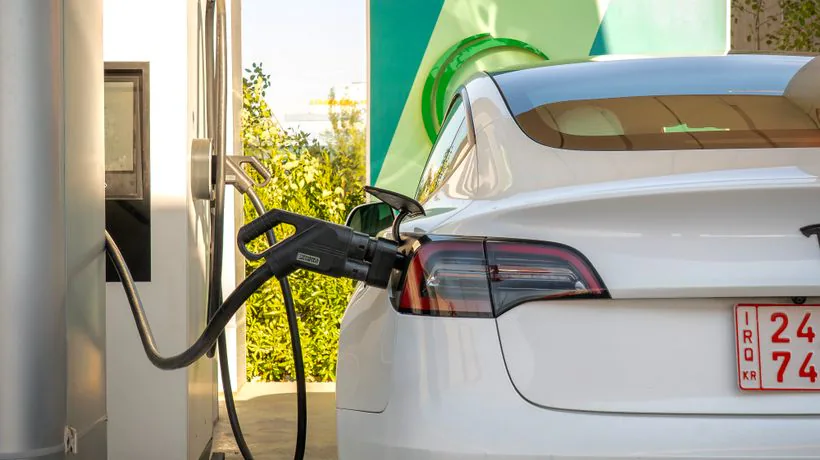
- Never wash while charging. Unplug and make sure the charge port flap is closed and latched.
- Be careful around the charge port. Wipe the flap and surround with a damp cloth rather than aiming water into it.
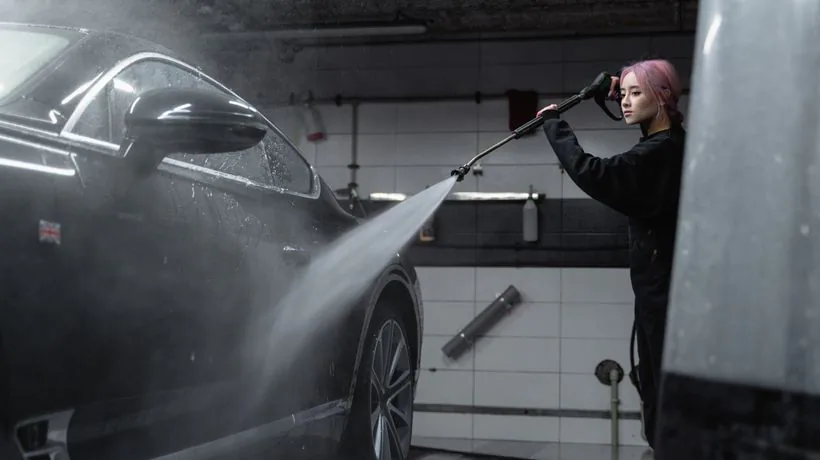
- Pressure wash with restraint. On body panels, a wide fan held well back is fine. Do not aim a jet underneath the car, into the front compartment or at any orange cabling.
- Remember the car is silent. Make sure it is switched off and secured before working around it, so nobody mistakes a ready car for a parked one.
What about the front boot and engine bay of a hybrid?
Many EVs have a front storage compartment, often called a frunk. It can be vacuumed and wiped like a boot, but treat any panels or covers inside as off limits for water. On hybrids, the engine bay contains both a conventional engine and high voltage parts, often including an inverter connected by thick orange cables. We limit work there to wiping plastic covers and accessible surfaces with a damp cloth, keep water and brushes away from orange cabling and connectors, and follow the manufacturer's guidance. For more on the risks and benefits of cleaning under the bonnet, see whether engine bay cleaning can damage your car.
How do you clean big screens and gloss black trim?
Electric cars often have large central touchscreens, digital instrument panels and gloss black plastic, which marks easily.
- Switch the screen off or use the manufacturer's cleaning mode so taps do not change settings.
- Use a clean, dry or lightly dampened microfibre cloth, and a screen safe cleaner sprayed onto the cloth, never onto the screen.
- Avoid glass cleaners with ammonia or alcohol on screens with anti glare coatings unless the manufacturer allows it.
- On gloss black trim, use a soft cloth with light pressure; dry wiping dust off it causes fine scratches.
Our guide on cleaning a touchscreen infotainment display goes step by step.
Are there any other differences to know about?
- Cabin conditioning: many EVs let you pre heat or pre cool the cabin from an app. That is useful for drying the interior after a clean in winter.
- Tyres: EVs are heavy and tyres can wear differently, so a clean is a good moment to check tread and pressures.
- Aero wheels: wheel covers and flat faced aero designs hide brake dust; take time to clean behind the spokes or covers.
- Battery underside: the battery pack usually sits under the floor. Leave the underbody to the manufacturer's guidance and avoid directing pressure at it.
We come to you, so an EV can be valeted at home or at work while it sits unplugged on the drive.
Sources
Drive an EV or hybrid?
EMobile Valeting brings professional, fully insured mobile valeting to your door across Derby, Nottingham and the East Midlands. No call-out fee.
See Car Valeting Get a Free Quote