A clay bar treatment uses a piece of soft detailing clay, glided over lubricated paint, to pull out contamination that has bonded to the surface and survives a normal wash. That includes industrial fallout, overspray, tree sap mist and tar specks. The result is paint that feels glass smooth, takes wax or sealant properly and looks clearer. It is a preparation step, not a finish, so it is always followed by protection. Most cars benefit from it once or twice a year, not every wash.
What does clay actually remove?
Washing removes dirt that sits on top of the paint. Some contaminants grip the lacquer more firmly and stay put however carefully you wash. Clay deals with those by grabbing anything that stands proud of the surface and holding it in the bar.
- Airborne industrial dust and rail dust.
- Fine overspray from nearby painting or road marking.
- Misted tree sap and pollen residue.
- Small tar specks on lower panels.
- Embedded iron particles, although a chemical iron fallout remover is a gentler first step for those.
Nissan's owner's manual advises removing industrial dust, tar, insects and tree sap as quickly as possible to avoid lasting damage or staining. Clay is how detailers deal with the residue that stays after a wash.
Clay does not remove scratches, swirls or water spot etching. Those are defects in the paint, not on it.
How do you know if your paint needs clay?
Auto Express suggests the simplest test: wash the car as normal, then run your finger across a panel. If it feels rough, claying will help. A more sensitive version is to put your hand inside a thin sandwich bag and glide your fingertips over the bonnet, roof and boot lid. The plastic magnifies the texture, so any bumps feel like fine sandpaper.
Lower doors, the rear of hatchbacks and estates, and horizontal panels usually feel worst. A car parked near a railway, industrial site or busy road tends to collect more.
How is a clay bar treatment done?
- Wash and rinse the car thoroughly. Clay on dirty paint drags grit and scratches.
- Use a chemical iron remover first if the paint is heavily contaminated, so the clay has less work to do.
- Knead a small piece of clay into a flat patty that fits two or three fingers.
- Lubricate generously. Spray clay lube or a suitable detailer over an area about the size of a sheet of A4.
- Glide in straight lines with light pressure. The RAC advises working in small sections with lubricant until the clay moves smoothly, which shows the area is clean.
- Check and fold the clay often, so a clean face is always on the paint.
- Wipe the residue with a clean microfibre, then move to the next section.
- Rinse, dry and protect the paint with wax or sealant.
If you drop the clay on the ground, throw it away. It will have picked up grit that will scratch the paint.
What are the risks of using a clay bar?
Clay is mildly abrasive by nature, so even good technique can leave faint marring, especially on soft or dark paint. The RAC advises using a clay bar only when absolutely necessary. To keep risk low:
- Never clay a dry panel; add more lubricant the moment the clay grabs or squeaks.
- Use a fine grade clay for routine work and keep heavy grades for professionals.
- Work in the shade on a cool panel so lubricant does not evaporate.
- Avoid matt paint and wraps unless the manufacturer says clay is safe.
Clay mitts and cloths are quicker and reusable but are generally more aggressive. They suit heavily contaminated cars better than delicate finishes.
Why is clay usually followed by polishing or protection?
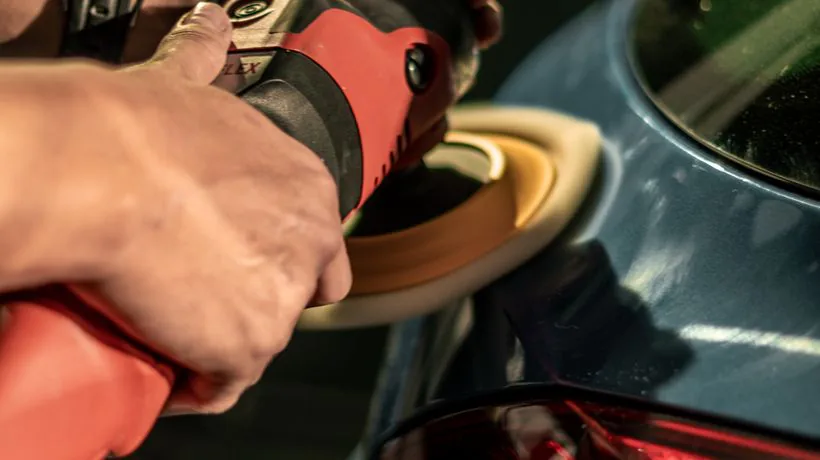
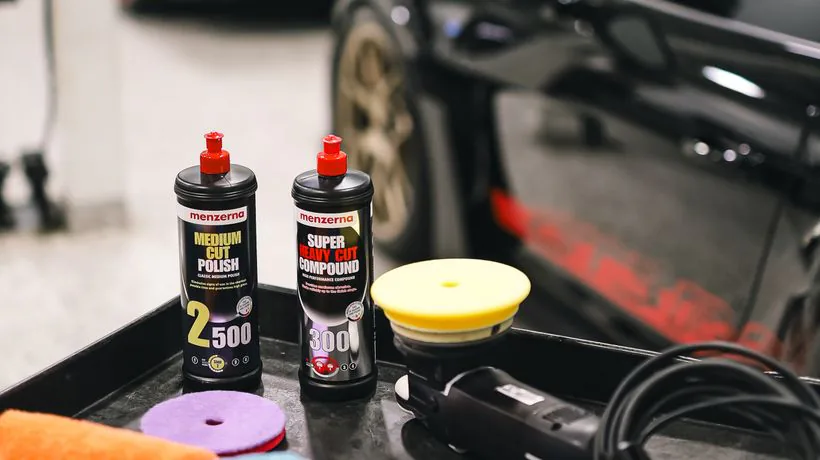
Claying strips most of the wax or sealant on the surface, so the paint is left bare. At the very least it needs a fresh wax or sealant the same day. Where clay has left light marring, or the paint was already swirled, a machine polish refines the finish before protection goes on. That is why clay is often the second stage of a full decontamination wash and the first stage of any paint correction.
Do we include clay bar work?
Clay is part of our premium detailing, which starts from £150 and includes paint correction and a protective wax or sealant finish. For a car that is simply due a clean, our mobile car valeting starts with an exterior wash from £30. We bring our own water and power, so the work is done wherever the car is parked.
Sources
- RAC Drive: How to wash your car
- Auto Express: Best clay bars 2026
- Nissan UK: Qashqai owner's manual, Removing spots
Paint feels rough after washing?
EMobile Valeting brings professional, fully insured mobile valeting to your door across Derby, Nottingham and the East Midlands. No call-out fee.
Explore Detailing Get a Free Quote