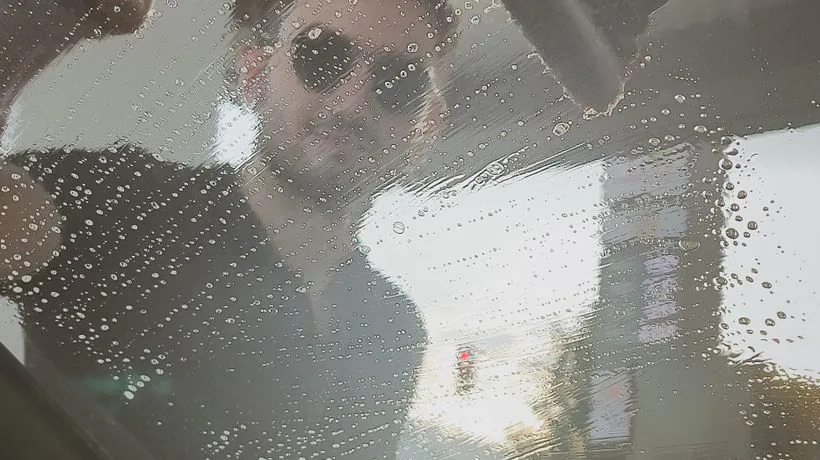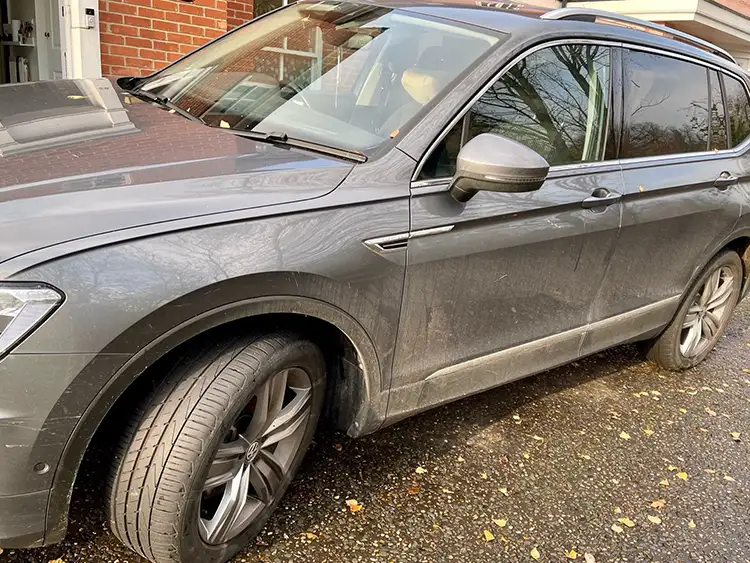
To clean car wiper blades, switch the wipers off, lift each arm away from the glass, and wipe along the rubber with a cloth soaked in screen wash or a mild detergent solution until the cloth stops picking up black, then rinse the blade with clean water. Clean the outside of the windscreen at the same time, because wax, tree sap and traffic film on the glass cause smearing too. If a clean blade on a clean screen still streaks, judders or leaves a band of water behind, the rubber is worn and new blades are the fix.
Why do wiper blades smear, judder or squeak?
A wiper blade is a thin rubber edge that has to stay in even contact with the glass. Anything that gets between the two, or changes the shape of that edge, shows up as streaks or noise.
- Dirt on the blade. Grit, road film and salty spray build up along the rubber and get dragged back across the screen on every sweep.
- Contamination on the glass. Mazda's handbook names insects, tree sap and the hot wax treatments used by some commercial car washes as common sources of poor wiping, and Nissan's says a chattering blade may have wax or other material on it or the glass.
- Wear. Sun, frost and use harden the rubber and round off its edge, so it skips rather than wipes.
- Running them dry. Rubber dragged over dry, dusty glass squeaks and wears faster. Use the washers first.
- Ice. A blade frozen to the screen can tear when the wipers are switched on.
How do you clean wiper blades step by step?
- Turn the wipers off. If yours sense rain, move the stalk out of AUTO. Mazda warns that with the lever in AUTO and the ignition on, the wipers may move if the glass above the rain sensor is wiped with a cloth, and tells owners to keep the lever in the OFF position when washing the car.
- Lift the arms. On many cars the arms only clear the bonnet once the wipers are put in their service position, which the handbook explains. Lay a folded towel on the screen in case an arm springs back.
- Wipe the rubber. Soak a microfibre in screen wash, or warm water with a little mild detergent, pinch it around the blade and draw it from one end to the other. Nissan's Qashqai handbook gives the same method: wipe the blade with a cloth soaked in washer solution or mild detergent, then rinse it with clear water.
- Repeat with a clean part of the cloth until no more black comes off.
- Rinse and inspect. Run a fingertip along the edge. Nicks, splits, a hard or cracked feel, or rubber lifting out of the frame mean the blade needs replacing.
- Lower each arm gently by hand. Letting a sprung arm snap back can chip the glass.
Do the rear wiper too. It sits in the spray thrown up behind a hatchback or estate, and it is easy to forget.
Why clean the windscreen at the same time?
A clean blade on a filmy screen still smears. Nissan's handbook says to clean the outside of the windscreen with washer solution or a mild detergent, and that the glass is clean when water no longer forms beads as you rinse it with clear water. The exception is a screen treated with a rain repellent, where beading is deliberate, so judge that one by how clear it looks.
Wash the glass with your usual car shampoo, then finish with a glass cleaner. Bug splatter and sap may need a dedicated remover first. Clear leaves and seeds from the panel below the windscreen as well, because they collect under the parked blades. Our guide to cleaning car windows without streaks covers the technique and the cloths that avoid smears.
What should you avoid when cleaning wiper blades?
- Fuel and solvents. Mazda says not to use petrol, paraffin, paint thinner or other solvents on or near the blades, to prevent damage.
- Sandpaper, wire wool and scourers. Rubbing the edge is sometimes suggested as a quick fix, but the blade relies on a fine, even edge, and roughing it up leaves it uneven.
- Dressings and polish. Trim gel, tyre shine or wax that reaches the rubber or the glass smears across the screen in the first shower.
- Leaving an arm out of place. Nissan notes that a wiper arm not returned to its original position may be damaged when the bonnet is opened.
- Washing-up liquid in the washer bottle. It gives no frost protection. Use a proper screen wash mixed to the strength on the label.
When should you replace wiper blades instead of cleaning them?
Clean first, because plenty of smearing is dirt rather than wear. If the screen still isn't clear after cleaning the blades and using the wipers, Nissan's advice is to replace the blades. Other signs:
- Streaks or a band of unwiped water in the same place on every sweep.
- Juddering that carries on over clean, wet glass.
- Splits, missing chunks or rubber peeling away from the frame.
- A bent arm or frame that holds part of the blade off the glass.
Wipers are also part of the MOT. The inspection manual lists a defective wiper blade as a minor defect, and a missing blade or one obviously not clearing the windscreen as a major defect. Washers must provide enough fluid for the wipers to clear the screen effectively. Our checklist for preparing a car for its MOT covers the other quick checks.
How often should you clean them, and what changes with the seasons?
Wipe the blades whenever you wash the car, and in between whenever the screen starts to smear. The seasons change what builds up:
- Autumn: tree sap if you park under trees, and leaves trapped beneath the blades.
- Winter: salty road spray and frozen blades. The Highway Code says to make sure before winter that there are appropriate anti-freeze agents in your windscreen bottle. Free frozen blades with de-icer rather than the wiper switch; our guide to de-icing a car safely explains why.
- Spring and summer: pollen and insects, plus strong sun that dries and hardens the rubber.
The Highway Code lists wipers and washers among the things drivers should take special care to keep working. When the glass itself needs attention, our vehicle glass cleaning, from £20, covers the windscreen, rear screen, side windows and mirrors, inside and out, at your home or workplace. Glass is also cleaned inside and out on every full valet, from £80.
Sources
- Nissan: Qashqai Owner's Manual, Cleaning (wiper blades)
- Mazda: Mazda2 Owner's Manual, Wiper Blades
- GOV.UK: MOT inspection manual for cars and passenger vehicles, 3. Visibility
- GOV.UK: The Highway Code, Annex 6 vehicle maintenance, safety and security
Want clear glass inside and out?
EMobile Valeting brings professional, fully insured mobile valeting to your door across Derby, Nottingham and the East Midlands. No call-out fee.
See Window Cleaning Get a Free Quote