Swirl marks and light scratches that only affect the clear coat can be removed by polishing, either by hand with a scratch remover for isolated marks or by machine for whole panels. Deeper scratches that have gone through to the colour or primer cannot be polished away and need touch-up paint or a bodyshop. The quickest way to tell which you have is the fingernail test. Below is how to diagnose the damage, fix what is fixable at home, and stop new swirls appearing after every wash.
How do you tell how deep a scratch is?
Wash and dry the area so dirt is not hiding anything, then look at it in good light. Gently draw a fingernail across the scratch at a right angle. The RAC sums up the result: if you cannot feel it, it is usually polishable; a slight catch suggests touch-up paint may be needed; a deep groove points to a more extensive repair.
Colour is a clue too. The RAC explains that a clear coat scratch often looks white in certain light and may disappear when wet. If you can see grey or white primer, or bare metal, the scratch is through the paint.
Swirls are different from single scratches. They are fine circular marks across whole panels, seen around reflections of the sun or a street light, and almost always caused by washing and drying with dirty or rough materials.
How do you remove light scratches by hand?
- Clean the area thoroughly and, if the paint feels rough, clay it so grit is not rubbed into the paint.
- Test first on a small, inconspicuous spot to see how the product behaves on your paint.
- Apply a small amount of scratch remover or fine polish to a foam applicator.
- Work it in with firm, overlapping strokes along and across the scratch over a small area, until the product turns clear.
- Buff off with a clean microfibre and inspect in good light. Repeat two or three times if improving.
- Protect the area with wax or sealant.
The AA describes the same approach for swirls on the top coat: rub scratch remover over the area with a cloth. Hand polishing has limits, though. It works on isolated marks, but on a whole bonnet of swirls it is slow and rarely gives an even result.
When does it need a machine polisher?
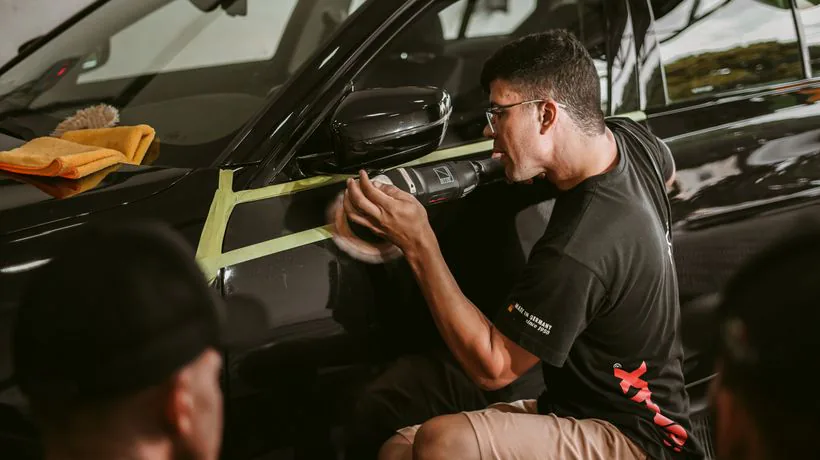
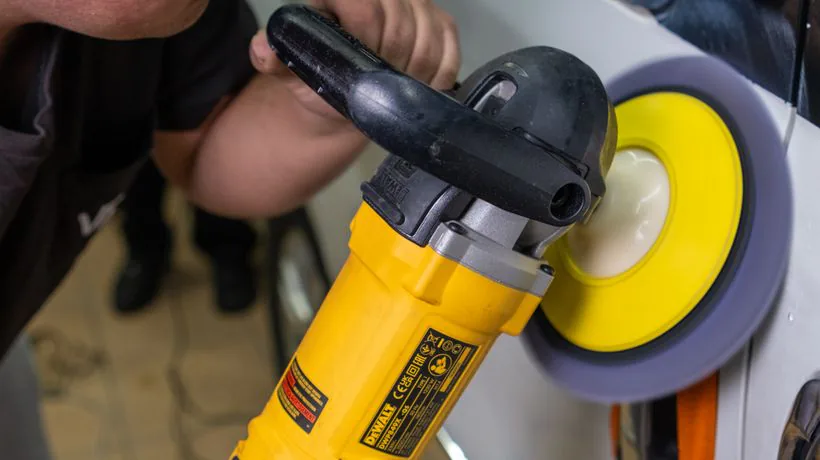
Widespread swirls, holograms and haze need machine polishing to remove evenly. A dual action polisher is the safer choice for beginners because the pad oscillates as well as spinning, which limits heat and the risk of burning through. Even so, edges and body lines have the thinnest paint and are easy to damage. Black and dark colours also need extra care; the RAC warns they can develop swirl marks if treated incorrectly.
Full panel machine work is what detailers call paint correction, and it is usually worth handing over unless you are prepared to practise on a scrap panel first.
What about deeper scratches and chips?
When the fingernail catches or primer is showing, polishing cannot remove the mark, and repeated attempts only thin the clear coat around it. The options are:
- Touch-up paint matched to your paint code, built up in thin layers and levelled once dry. The AA suggests checking your car's details to get the correct colour.
- Smart repair by a specialist, where a small area is filled, painted and blended.
- Bodyshop repair for long scratches across panels, exposed metal or peeling paint.
Treat bare metal promptly, as it can start to rust.
Does this matter at lease return or sale?
It can. The BVRLA, which publishes the industry fair wear and tear standard, advises drivers to inspect a leased car 10 to 12 weeks before return, washed and dry, in good light, looking for where light reflects differently from dents and scratches. It also notes that water on the paintwork can mask faults. Polishing out light marks before that inspection is often cheaper than paying for them afterwards.
How do you stop swirls coming back?
- Rinse thoroughly before touching the paint, and use the two bucket method with a clean mitt.
- Avoid brush car washes and old sponges.
- Dry with a soft, clean microfibre drying towel. Our guide to drying your car without scratches goes through it step by step.
- Keep wax or sealant on the paint so dirt slides off more easily.
Our premium detailing, from £150, includes machine paint correction and a protective wax or sealant finish. If the paint just needs a careful clean, our mobile car valeting uses safe wash methods and brings its own water and power.
Sources
- RAC Drive: How to remove car scratches
- AA: Dealing with minor dents and scratches
- BVRLA: Returning your leased vehicle
Paint swirled or scratched?
EMobile Valeting brings professional, fully insured mobile valeting to your door across Derby, Nottingham and the East Midlands. No call-out fee.
Explore Detailing Get a Free Quote