The best summer protection for a car is a layer of wax or sealant on the paint, UV protectant on exterior trim and interior plastics, a sunshade for the cabin, and fast removal of bird droppings and bug splatter. Ultraviolet light breaks down clear coat, plastics and leather over time, and heat speeds up the damage that contaminants cause. Washing at the wrong time of day can make things worse by leaving water spots. Here is what the sun actually does and a routine that keeps the car protected through to autumn.
What does summer sun do to a car?
- Paint: years of UV exposure oxidise the clear coat, and unprotected single stage paints, often reds and on older cars, can fade and chalk.
- Black plastic trim: bumpers, mirror caps and window surrounds turn grey and blotchy as the surface dries out.
- Dashboard: the top of the dash takes direct sun through the screen, which can fade it and, over many summers, contribute to cracking.
- Leather and fabric: leather dries and fabric fades where sun hits, usually the tops of the rear seats and parcel shelf.
- Headlights: UV is one reason polycarbonate lenses go yellow and cloudy.
Heat also accelerates chemical damage. Bird droppings and bug remains are acidic, and on hot paint they etch faster.
When is the best time to wash a car in summer?
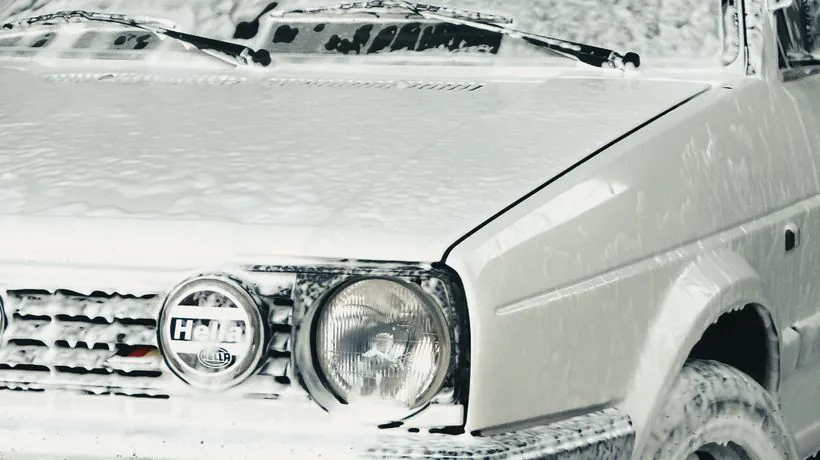
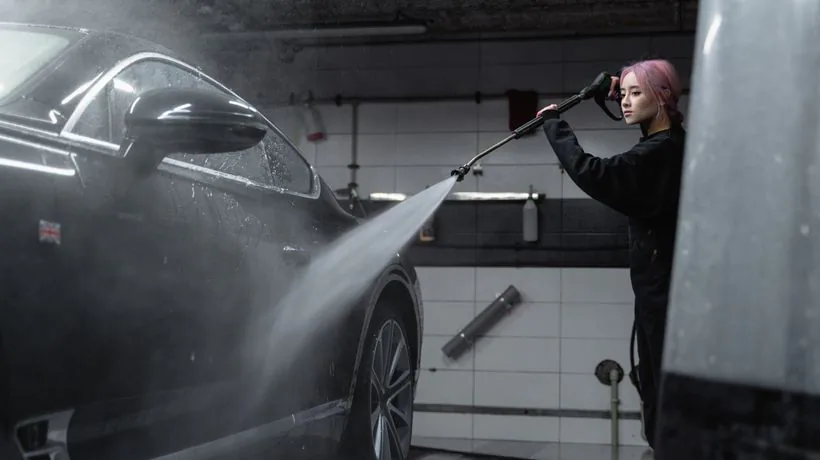
Wash early in the morning or in the evening, ideally in shade. The Met Office advises staying in the shade between 11am and 3pm, when the sun's rays are strongest, and that applies to your paint as much as to you. On a hot panel, shampoo and water dry before you can rinse, leaving water spots and streaks, and some cleaners can stain if they dry on.
- Work one panel at a time and keep the car wet.
- Rinse often and dry promptly with a soft drying towel.
- Feel the bonnet. If it is too hot to rest your hand on, wait.
How do you deal with bugs, droppings and sap in summer?
These are the summer contaminants that cause lasting damage, and speed matters more than products.
- Bird droppings: soften with a quick detailer or warm soapy water on a folded microfibre, leave it a minute, then lift away. Our guide on bird droppings on paintwork explains why they etch.
- Bug splatter: pre soak the front bumper, grille and mirrors with a bug remover before washing. See how to remove tar and bug splatter.
- Tree sap: soften with warm water or a sap remover; never pick or scrape it.
- Tar: summer heat softens road tar, which flicks up behind the wheels. A tar remover dissolves it safely.
A protected surface makes all of these easier to remove.
How do you protect the paint and trim from UV?
Protection works as a sacrificial layer between the sun and the surface.
- Wax: a natural carnauba wax gives warmth and depth and usually lasts weeks to a couple of months, depending on the product and how the car is washed.
- Sealant: a synthetic sealant generally lasts longer and is a good choice before a long summer.
- Trim protectant: a UV blocking trim dressing restores and protects grey plastic; reapply every few weeks.
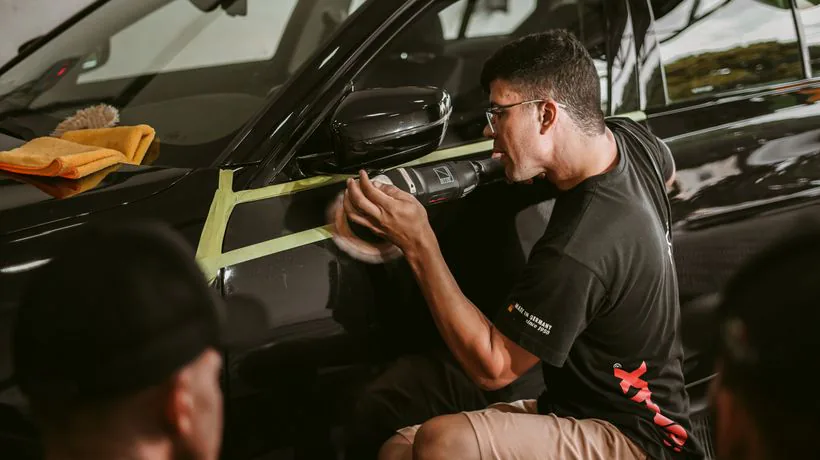
- Correction first if needed: if the paint is already dull or swirled, polishing restores gloss before protection goes on. Our premium detailing, with paint correction and protection, starts from £150.
Our mobile valeting service includes a wax or sealant finish as part of a full valet from £80.
How do you protect the interior from sun and heat?
- Use a reflective windscreen sunshade when parked.
- Wipe the dashboard and door tops with a matt, non greasy UV protectant. Glossy, oily dressings cause glare on the screen.
- Clean and condition leather seats every couple of months in summer.
- Keep sun cream, aerosols and lighters out of the hot cabin; sun cream also stains seats and trim.
- Open the doors for a minute before driving to let the heat out, then use the air conditioning.
The Highway Code's hot weather rule asks drivers to keep the vehicle well ventilated to avoid drowsiness, and to slow down and if necessary stop if dazzled by bright sunlight. A clean windscreen inside and out reduces that dazzle.
How often should you clean the car in summer?
A wash every one to two weeks suits most cars, with droppings and bugs removed as soon as you notice them. Top up spray protection every few washes, and reapply wax or sealant when water stops beading. A full interior clean every couple of months, with leather and plastics treated, keeps the cabin fresh. An exterior wash starts from £30 and we come to you, so the car can be cleaned on your drive in the cooler part of the day.
Sources
- Met Office: What is UV radiation and how does it affect your health?
- GOV.UK: The Highway Code, driving in adverse weather conditions (226 to 237)
Want your car summer-ready?
EMobile Valeting brings professional, fully insured mobile valeting to your door across Derby, Nottingham and the East Midlands. No call-out fee.
See Car Valeting Get a Free Quote