The two-bucket method is a hand wash technique that uses one bucket of car shampoo and a second bucket of plain water. After washing a panel or two, you rinse the dirty mitt in the plain water first, wring it out, then reload it with clean shampoo. The grit the mitt picked up ends up in the rinse bucket rather than being rubbed back into the paint. It is one of the simplest ways to reduce the fine swirl marks that a single bucket causes, and it costs little more than a second bucket.
Why does a single bucket cause swirl marks?
When you wash a car, the mitt collects grit from the paint: sand, road dust and small mineral particles. With one bucket, each time you dip the mitt back in to reload, some of that grit goes into the shampoo. After a few panels the bucket is effectively a grit soup, and every fresh load of suds carries more abrasive particles back onto the paint.
Dragged across the clear coat, those particles leave very fine scratches. One wash will not ruin a car, but repeated over months they build into the spider's web of swirls you see round the reflection of the sun or a street light. The two-bucket method breaks that cycle by cleaning the mitt before it ever returns to the shampoo.
What kit do you need for a two-bucket wash?
- Two buckets, ideally of around 20 litres and clearly marked so you never mix them up, for example labelled Wash and Rinse.
- Two grit guards. These plastic grids sit at the bottom of the bucket. As Halfords explains in its guide to Autoglym's kit, a grit guard creates a barrier between clean and contaminated water, trapping dirt underneath.
- A quality microfibre or lambswool wash mitt. Its deep pile draws grit into the fibres and releases it when rinsed. See our comparison of microfibre and sponges for washing a car.
- A pH-neutral car shampoo.
- A third bucket and separate brushes for the wheels.
- Plush microfibre drying towels.
How do you do the two-bucket method step by step?
- Fill the rinse bucket with clean water and the wash bucket with water and shampoo at the dilution on the label. Fit a grit guard in each.
- Clean the wheels and tyres first with their own bucket and brushes.
- Rinse the car thoroughly, or snow foam and rinse, to remove as much loose dirt as possible.
- Load the mitt from the wash bucket and clean one panel from the top of the car, using light pressure and straight lines.
- Rinse the mitt in the rinse bucket, rubbing it across the grit guard to release the dirt.
- Wring it out, then reload from the wash bucket and move to the next panel.
- Work from the roof down, leaving the lower doors, sills and bumpers until last because they are the dirtiest.
- Rinse each section before the shampoo dries, then dry the car with clean towels.
The AA gives the same top-down advice, so dirt does not run into parts you have already cleaned, and recommends drying with a microfibre cloth or towel rather than leaving the car to air dry.
What mistakes undo the benefit of two buckets?
- Skipping the pre-rinse. If the car is caked in mud, no bucket system can cope. Get the loose dirt off first.
- Pressing hard. Let the mitt glide. Pressure pushes any grit into the paint.
- Washing in circles. Straight lines make any marks that do occur less visible.
- Leaving the rinse water filthy. If it turns murky, change it.
- Dropping the mitt. If it touches the ground, swap to a clean one rather than rinsing it and carrying on.
- Washing in hot sun, so shampoo dries on the paint before you can rinse it.
Are there variations on the two-bucket method?
Some valeters add a third bucket just for wheels, which we recommend. Others use several clean mitts, swapping to a fresh one for each section of the car instead of rinsing, which suits very dirty vehicles. Rinseless washes use a single bucket of a special high-lubricity solution with a stack of microfibre cloths, each used once, which can be handy where water is limited. All of these share the same goal: never bring the grit you have just removed back onto the paint.
Does the method change in winter?
In winter the lower third of the car carries salt and fine grit, so spend longer on the pre-rinse around sills and arches, change the rinse water more often, and consider a separate mitt for the lower panels. Use lukewarm water if your hands need it, but avoid hot water on frozen glass. Dry door shuts and rubber seals afterwards so they do not freeze shut overnight.
What if the paint already has swirls?
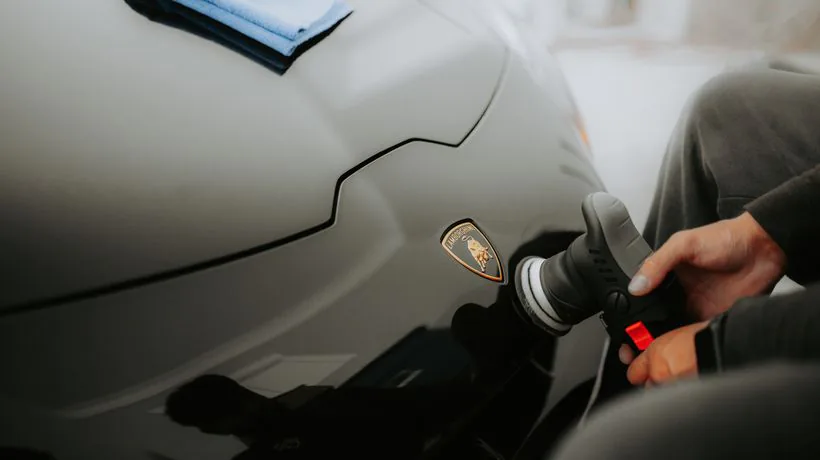
The two-bucket method helps prevent new marks but will not remove existing ones. Light swirls can be reduced by machine polishing, explained in our guide to removing scratches and swirl marks. On every exterior wash and mobile car valet we follow the method above, with wheels done separately and the paint finished with a wax or sealant. Premium detailing, which covers paint correction and protection, starts from £150.
Sources
Want a swirl-free wash?
EMobile Valeting brings professional, fully insured mobile valeting to your door across Derby, Nottingham and the East Midlands. No call-out fee.
See Car Valeting Get a Free Quote