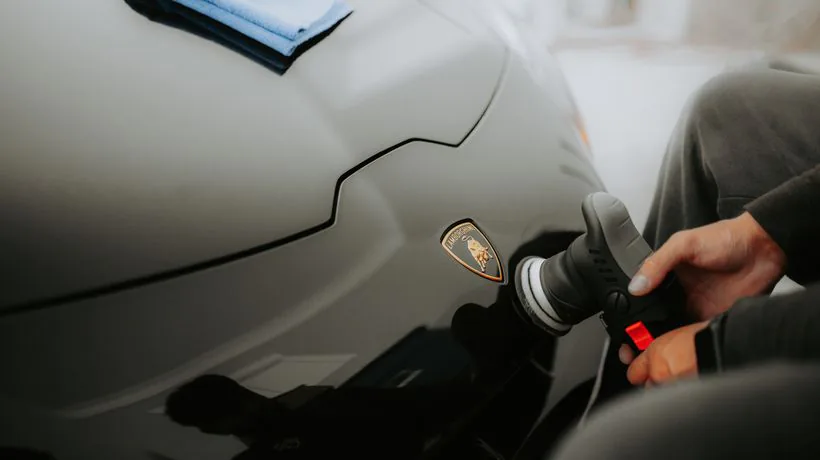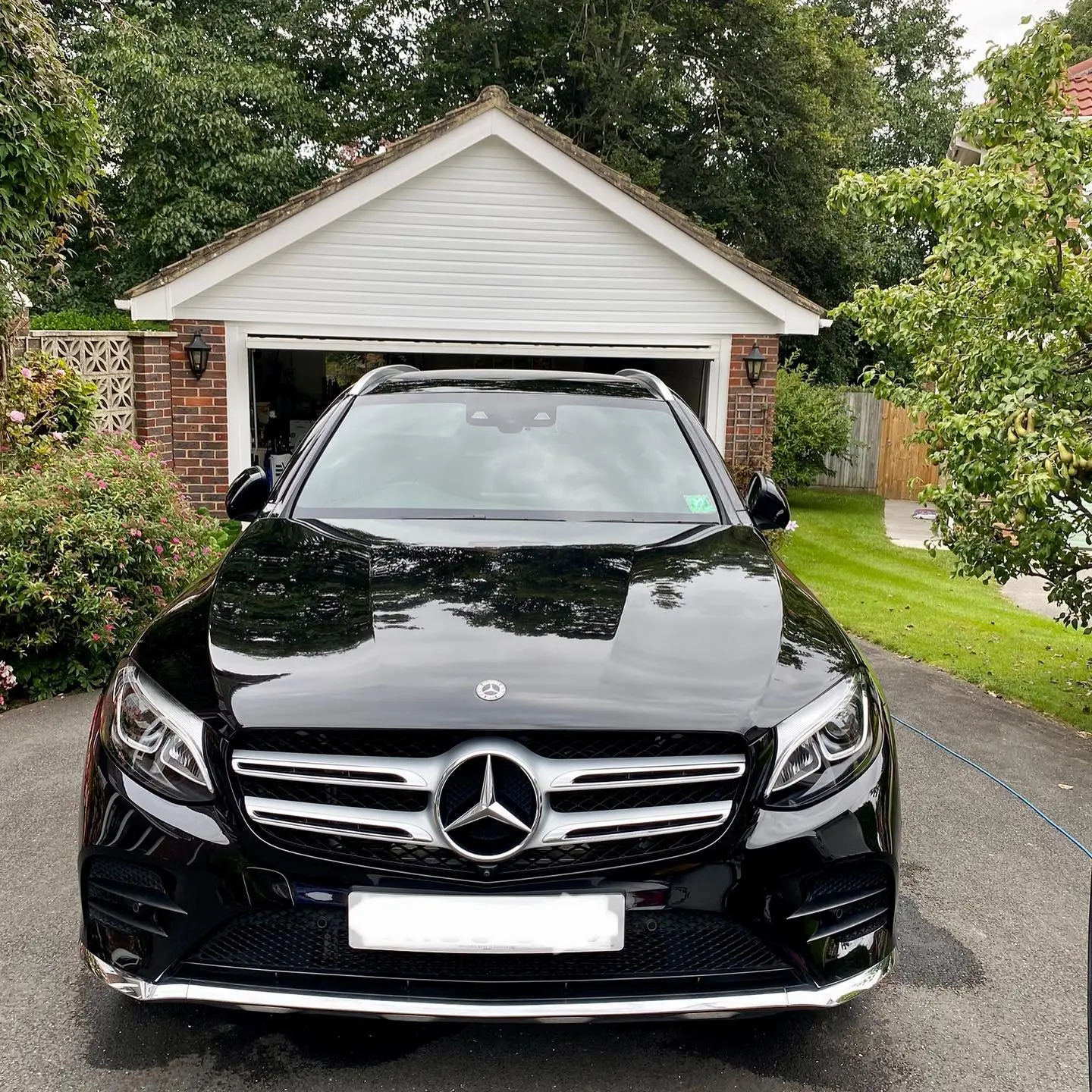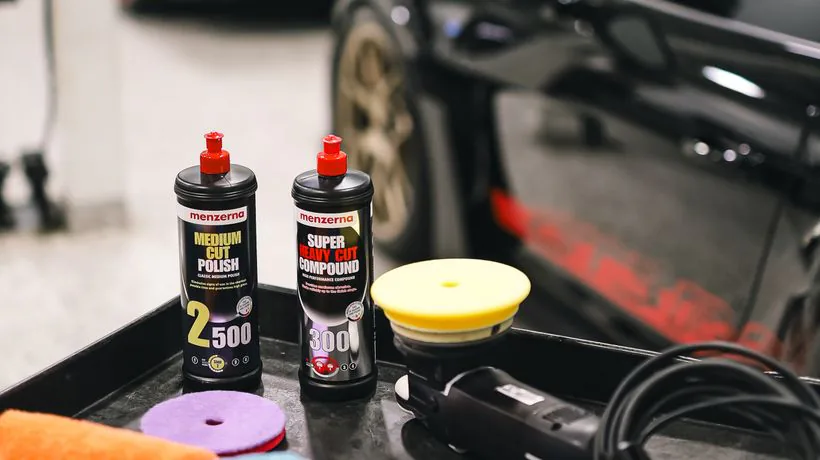
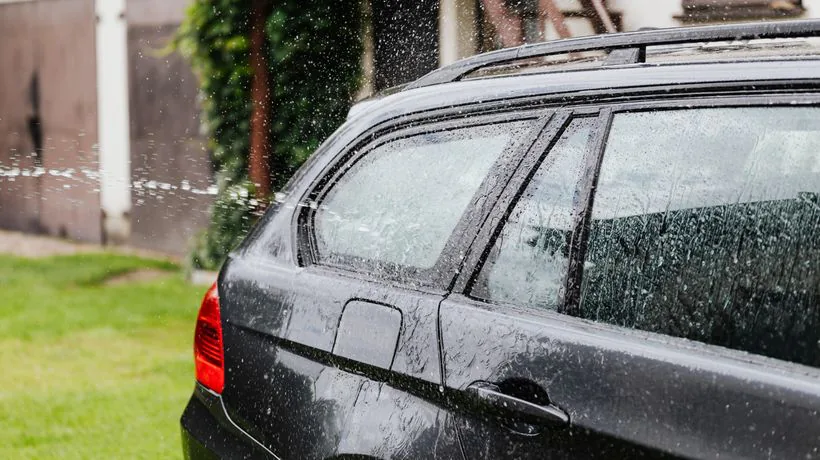
A decontamination wash is a deep clean of the paintwork that removes contaminants stuck to the surface, not just the dirt sitting on it. After a thorough pre-wash and hand wash, the car is treated with an iron fallout remover, a tar remover and finally a clay bar, each stage taking out a different type of bonded grime. The paint ends up smooth to the touch and completely bare, ready for polishing or a fresh layer of wax or sealant. It is the step that makes protection last and polishing safe.
How is it different from a normal wash?
A maintenance wash removes road film, dust and mud with shampoo and a mitt. It is designed to be gentle and keep the existing protection in place. A decontamination wash is deliberately more thorough. It uses chemicals that dissolve specific contaminants and a mechanical stage that physically lifts anything left, accepting that the old wax or sealant goes too.
The difference is easy to feel. Auto Express suggests washing as normal, then running a finger across a panel: if it feels rough, the paint has bonded contamination that a normal wash has not shifted.
What are the stages, in order?
- Wheels and arches first, as they hold the heaviest grime and brake dust.
- Pre-wash with a snow foam or citrus pre-wash to soften and rinse away loose dirt before touching the paint. Our guide to how snow foam works explains this step.
- Contact wash with two buckets and a clean mitt.
- Iron decontamination. A fallout remover is sprayed on and turns purple as it dissolves embedded metal particles, then is rinsed. See what iron fallout remover is for the detail.
- Tar and adhesive removal with a solvent on lower panels, sills and behind the wheels.
- Clay or clay mitt with plenty of lubricant to remove what the chemicals left behind.
- Final rinse and safe dry.
The order matters. Each stage removes contamination so the next, more physical stage has less to do, which lowers the risk of marring.
What contamination does it remove?
- Iron fallout from brake discs, railways and industry.
- Tar spots from road surfaces and repairs.
- Tree sap mist and pollen residue baked on in summer.
- Traffic film and old wax build up that dulls the finish.
- Overspray from nearby painting work.
Nissan's owner's manual advises removing tar and oil spots, industrial dust, insects and tree sap as quickly as possible to avoid lasting damage or staining. A decontamination is the systematic way to get rid of all of it at once.
When does a car need one?
- The paint feels gritty after washing.
- Orange specks appear on white or silver paint.
- Wax no longer bonds or beads, even freshly applied.
- Before any machine polishing or paint correction.
- Before applying a long lasting sealant for winter.
- When you buy a used car and want a clean starting point.
The RAC advises using a clay bar only when absolutely necessary, and the same thinking applies to the whole process. Once or twice a year is usually enough. For isolated tar spots, a targeted clean is enough; our guide to removing tar and bug splatter covers that.
What safety and weather points matter?
The chemicals are stronger than shampoo. HSE guidance says the label or safety data sheet should tell you whether skin protection is needed and which gloves to use. Wear gloves, keep products off your skin and eyes, and work in a well ventilated space. Iron removers in particular smell strongly.
Work in shade on cool panels, out of wind if possible, so nothing dries on the paint. In winter, very cold panels slow the chemicals down and can make clay stiff; a mild, dry day suits the job best, and the car needs to stay dry long enough for protection to go on afterwards.
What happens after decontamination?
The paint is now bare, so it must be protected the same day. If the surface shows swirls or haze, this is the moment to machine polish, as clean paint gives the best and safest result. On our premium detailing, from £150, decontamination leads straight into paint correction and a wax or sealant finish. Our standard washes and valets are on the mobile car valeting service page, from an exterior wash at £30.
Sources
- RAC Drive: How to wash your car
- Auto Express: Best clay bars 2026
- Nissan UK: Qashqai owner's manual, Removing spots
- HSE: Choosing the right gloves to protect skin
Paint feeling rough after washing?
EMobile Valeting brings professional, fully insured mobile valeting to your door across Derby, Nottingham and the East Midlands. No call-out fee.
See Car Valeting Get a Free Quote