The quickest way to remove pet hair from a car is to loosen it with rubber before you vacuum. Drag a rubber pet brush, a window squeegee or a slightly damp rubber washing-up glove across the fabric in short strokes, and the hair rolls into clumps that lift out easily. Then vacuum slowly with a crevice tool and a brush head. Vacuuming on its own leaves most of the fine, short hairs behind, because they knit themselves into the carpet loops and seat weave and the suction can't pull them free.
Why does pet hair stick so stubbornly to car fabric?
Car carpets and many seat fabrics are made of tight synthetic loops. Short, stiff hairs from breeds such as Labradors, pugs and Staffies act like tiny needles and push into those loops each time the dog shifts its weight. Static adds to the grip, particularly in dry winter air when the heater is running.
Long, soft coats are easier. They sit on the surface and tend to mat together, so a vacuum picks them up more readily. If you have a short-haired dog, expect the boot carpet and rear seat to take the longest.
Which tools actually lift dog hair out of car seats?
- Rubber pet hair brush or detailing stone. The most effective option on carpets. The rubber grips the hair and drags it out of the pile.
- Rubber window squeegee. Cheap and good on large flat seat panels. Pull it towards you at a low angle.
- Damp rubber glove. Ideal for curved seat bolsters and door pockets. Rinse it when it clogs.
- Lint roller or wide parcel tape. Fine for a quick tidy of a dark seat, but slow over a whole car.
- Vacuum with a crevice tool and turbo brush. The final stage that removes the clumps and anything left in seams.
Avoid wire brushes and hard plastic scrapers on seat fabric. They pull threads and leave a fuzzy, worn look that can't be undone.
What is the best order for removing pet hair?
- Take out the mats and any seat covers and shake them well away from the car.
- Start high. Rubber the headrests and seat backs first so loose hair falls downwards.
- Do the seat cushions in short strokes towards the front edge, pulling hair into a line.
- Vacuum the seats, pushing the crevice tool into every seam.
- Move to the carpets. Rubber them in one direction, then the other, and vacuum after each pass.
- Finish with the boot, including the edges under the parcel shelf and around the spare wheel cover.
- Wipe the hard trim with a barely damp microfibre cloth to catch hair stuck to door cards and the dashboard.
Moisture helps. A fine mist of water on the carpet before rubbering makes the hair clump better, as long as you only dampen the surface.
Does pet hair in the car affect allergies?
It can. The NHS lists animals, particularly pets such as cats and dogs, among the most common causes of allergies. The allergens come from skin flakes, saliva and urine rather than the hair itself, but hair carries them around the cabin. A small enclosed car concentrates them, which is why a passenger who copes in a friend's house may still sneeze in a dog owner's car.
Thorough hair removal reduces exposure, but no clean can promise an allergen-free cabin. Pet allergens can aggravate allergies and asthma; see a GP for symptoms. Before lending the car or giving a lift to someone with a known allergy, a deep vacuum and a wipe of every surface is a courteous step.
How can you stop pet hair building up in the car?
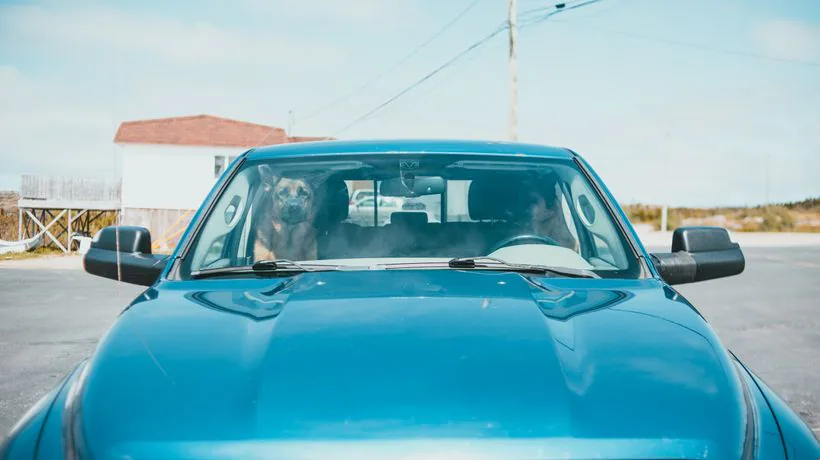
- Restrain your dog in one place. The Highway Code (rule 57) says dogs or other animals should be suitably restrained so they can't distract you, and lists a seat belt harness, pet carrier, dog cage or dog guard as ways to do it. Keeping the dog in the boot behind a guard also keeps most hair in one area.
- Fit a washable boot liner or seat cover. Removing and shaking a cover takes minutes.
- Brush your dog before the journey, outdoors, especially during spring and autumn moults.
- Keep a rubber glove in the door pocket for a two minute tidy after each trip.
Muddy walks bring smell as well as hair. Our guide to getting rid of wet dog smell covers drying and odour.
When should you get pet hair removed professionally?
If hair has built up over months, especially in a boot carpet, home tools can take hours and still leave a haze of fine hairs. A valeter uses stronger vacuums, rubber and air tools to pull hair from seams and loops, then cleans the fabric underneath. Heavily soiled seats and carpets also benefit from extraction, covered in our guide to cleaning car upholstery.
We treat pet hair removal as part of the interior work in a full valet from £80, and for cabins that also smell of dog, steam cleaning from £60 treats the fabric as well. Heavily matted hair can add time, so mention pets when you book and we will quote honestly.
Sources
Losing the battle with pet hair?
EMobile Valeting brings professional, fully insured mobile valeting to your door across Derby, Nottingham and the East Midlands. No call-out fee.
See Steam Cleaning Get a Free Quote