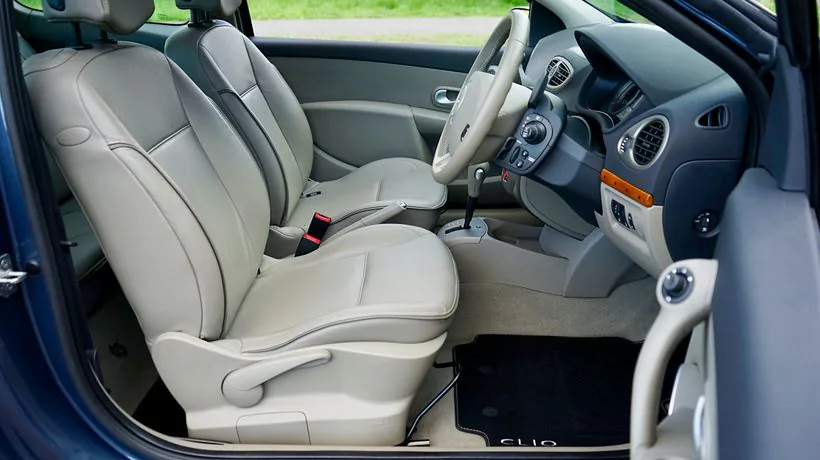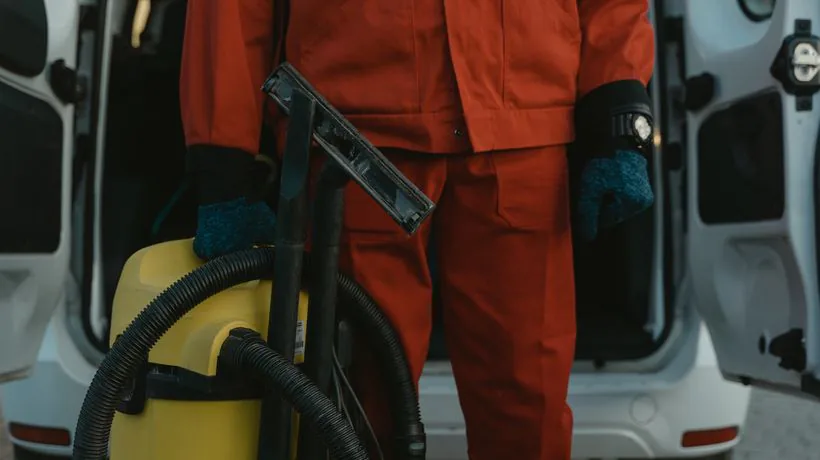
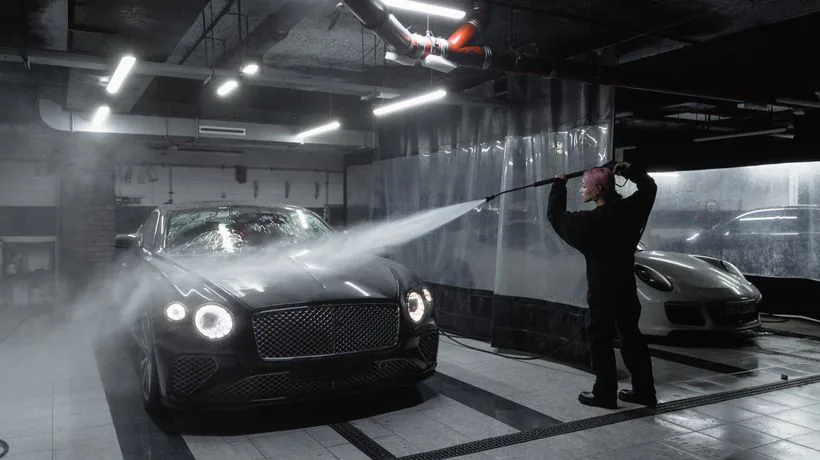
For almost every car smell, steam cleaning is the better first choice, because it removes the residue causing the odour from the seats, carpets, headliner and vents. Ozone is a gas that reacts with some odour molecules but leaves the spill, hair or tar film where it is, so the smell tends to return. Ozone can occasionally help as a final step on a car that has already been cleaned, usually for smoke. For damp, musty smells, neither method lasts until the leak or condensation behind them is sorted. Use the guide below to match the method to your smell.
How do the two methods differ?
Steam cleaning uses hot, low-moisture vapour to soften residue in fabric and on hard trim, which is then wiped or extracted out of the car. The cause of the smell physically leaves. Heat also reduces bacteria on the surfaces it reaches.
Ozone treatment fills an empty, closed cabin with ozone from a generator. The gas oxidises some odour compounds in the air and on exposed surfaces. The US Environmental Protection Agency notes that at levels within public health standards it is not effective against many odour-causing chemicals, and that contaminants inside porous materials may be unaffected. We explain the gas itself in what ozone treatment for cars is.
Which works for cigarette smoke?
Steam first, every time. Smoke leaves a tacky film on the headliner, glass, plastics and seat fabric, and that film is what you smell on a warm day. Steam and careful cleaning take it off; ozone does not. On a long-term smoker's car, ozone after a thorough clean may reduce a faint remaining odour in the ducts, but a new cabin filter and cleaned vents usually achieve much of the same without the risks.
Which works for dog, sick or spilt milk smells?
Steam and extraction. These are organic smells: coat oil, vomit and soured milk soak into fabric and down into the foam or carpet underlay. Bacteria feeding on the residue keep producing the smell. Ozone can dull it for a few days, but the source remains and the smell comes back. Hair needs removing, the foam needs flushing and extracting, and an enzyme cleaner helps on fresh spills. Our step-by-step guide to removing sick smell from a car shows the process for organic spills.
Which works for damp and musty smells?
Neither, until the water is dealt with. A musty smell means moisture, and often mould growth, somewhere in the cabin. Government guidance on damp and mould notes that excessive moisture promotes mould and that poor ventilation lets moisture build up, which is exactly what happens in a car with a blocked drain or failed seal. Check door and boot seals, sunroof drains and the air conditioning drain, and lift the mats to feel for wet carpet. Our guide on finding and fixing a damp smell in a car covers the common leak points. Once the car is dry, visible mould needs physical removal: our car mould removal service, from £80, removes visible growth and treats the affected areas. Musty smells and mould can aggravate allergies and asthma; see a GP if you have symptoms.
Which works for fuel, food and vent smells?
- Petrol or diesel: steam with a degreasing pre-treatment and extraction. Fuel is oily and sits in fabric. Never run any electrical equipment in a car until spilt fuel vapour has fully cleared.
- Food and takeaways: steam and extraction for grease on seats; steam and a brush for seat rails and cup holders where crumbs rot.
- Air vent smell: a new cabin filter first, then steam on the vent louvres. A sour smell only when the air conditioning starts can point to a damp evaporator, which is a job for a garage.
- New car or chemical smells: usually fade with airing over weeks. Neither method is needed, and ozone can react with some chemicals to form irritating by-products, according to the EPA.
So when would ozone make sense?
Rarely as a first choice. It might be used as a final step on a heavily smoked car after a full clean, or on a fleet vehicle with a lingering odour in the ductwork. HSE guidance says ozone mainly irritates the airways and can damage the lungs at higher exposure, and that it affects rubber, textiles and plastics, so it needs an empty car, a controlled run time and long airing. We do not offer ozone treatment. Our odour work is done through professional steam cleaning, from £60, because removing the source is what keeps a car smelling fresh. We bring our own water and power and there is no call-out fee.
Sources
- US EPA: Ozone generators that are sold as air cleaners
- HSE: Ozone: health hazards and control measures (EH38)
- GOV.UK: Understanding and addressing the health risks of damp and mould in the home
Stubborn smell to shift?
EMobile Valeting brings professional, fully insured mobile valeting to your door across Derby, Nottingham and the East Midlands. No call-out fee.
See Steam Cleaning Get a Free Quote